Sensory Activities for Toddlers: Easy Ideas for Hands-On Play
We may earn a commission for purchases made using our links. Please see our disclosure to learn more.
Toddlers are wired to explore with their whole bodies. They squeeze, splash, dump, sniff, climb, listen, and—sometimes inconveniently—taste whatever is within reach. Sensory activities for toddlers give that curiosity a simple, purposeful outlet without turning your home into a preschool classroom. The best ideas are usually the ones you can set up in minutes, adjust to your child’s comfort level, and repeat without buying a cartful of supplies. In this guide, you’ll find low-mess and messy-play options, movement games, taste-safe ideas, product suggestions, safety guidance, and research-backed context. You’ll also learn how to choose activities based on age, space, attention span, and whether your toddler loves new textures or needs time to warm up to them.
What Sensory Activities for Toddlers Actually Are
Sensory play invites a child to interact with touch, sight, sound, smell, taste, movement, balance, and body awareness. It does not require a themed bin. Carrying cushions, rolling a textured ball, pouring water, finger painting, marching to music, or kneading dough can all count.
That makes sensory activities for toddlers easy to fit into ordinary family life.
Why Sensory Play Works So Well at This Age
Toddlers learn through action and repetition: squeezing, pouring, stacking, dropping, and trying again. Sensory play also creates natural language moments. Add words such as “cold,” “sticky,” “heavy,” “soft,” or “loud” while your child explores.
Keep expectations modest. Four interested minutes can be just as valid as twenty. The activity does not need to produce a finished craft or teach a formal lesson to be worthwhile.
How to Choose the Right Activity for Your Toddler
Start with your child, not the activity photo. A toddler who dislikes sticky hands may prefer a sponge or sealed sensory bag; a movement-seeker may prefer rolling, pushing, jumping, and carrying.
Consider your own bandwidth too. Sensory activities for toddlers work better when setup and cleanup feel manageable. Offer an invitation rather than pressure; watching first is fine.
Easy Sensory Activities for Toddlers Using Touch
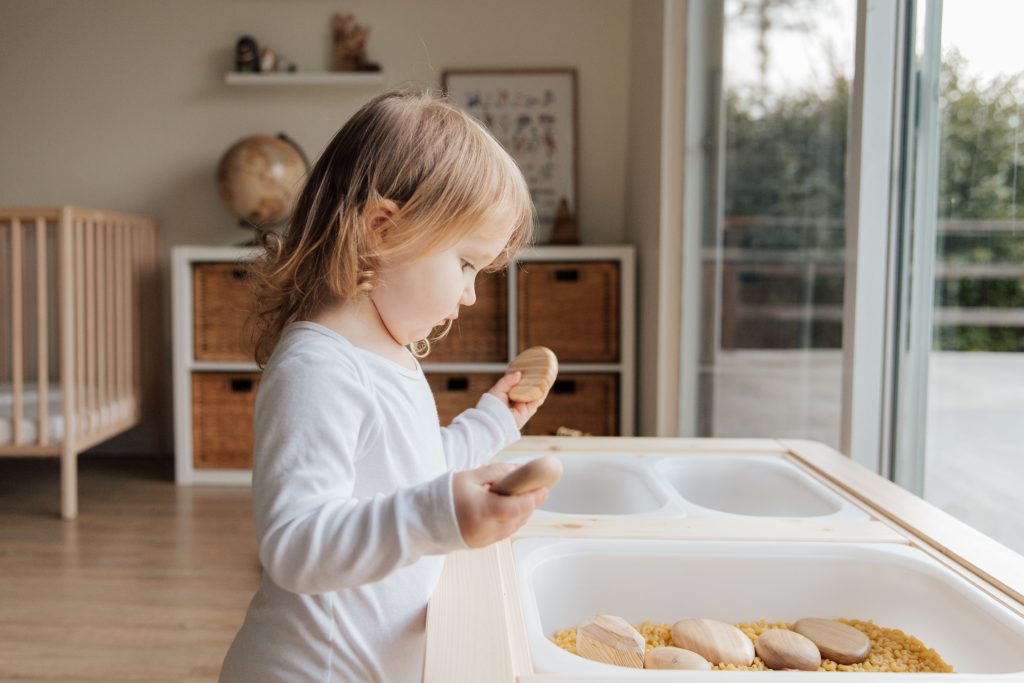
Begin with familiar textures: washcloths, silicone kitchen tools, large sponges, soft balls, or fabric scraps. Let your toddler squeeze, rub, sort, or hide them.
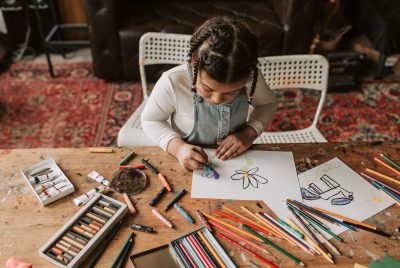
For lower-mess paint play, seal washable finger paint inside a zip-top bag and tape it flat to a table. Playdough is another easy option for squashing, pinching, rolling, and pressing.
Water and Pouring Play Without a Complicated Setup
Put a shallow amount of water in a sturdy tub, then add two cups, a funnel, or a sponge. Toddlers can pour, squeeze, and “wash” large plastic toys. Keep a towel underneath and supervise closely, even with shallow water.
If weather traps everyone indoors, these screen-free indoor toddler activities offer more simple ways to extend play without adding a screen.
Movement-Based Sensory Play for Busy Bodies
Some of the best sensory activities for toddlers happen away from a table. Make a cushion path, crawl through a cardboard-box tunnel, roll a soft ball, or push a laundry basket filled with lightweight pillows.
Try marching while music plays and freezing when it stops. Clear hazards first and match the challenge to movements your child already handles confidently.
Sound, Rhythm, and Listening Games
Wooden spoons, child-safe shakers, clapping, stomping, and your voice are enough for sound play. Try a clap-clap-pause pattern, then let your toddler copy it. Or listen together for rain, birds, or a fan.
Keep volume comfortable. If your toddler covers their ears, pulls away, or becomes upset, lower the intensity or switch activities.
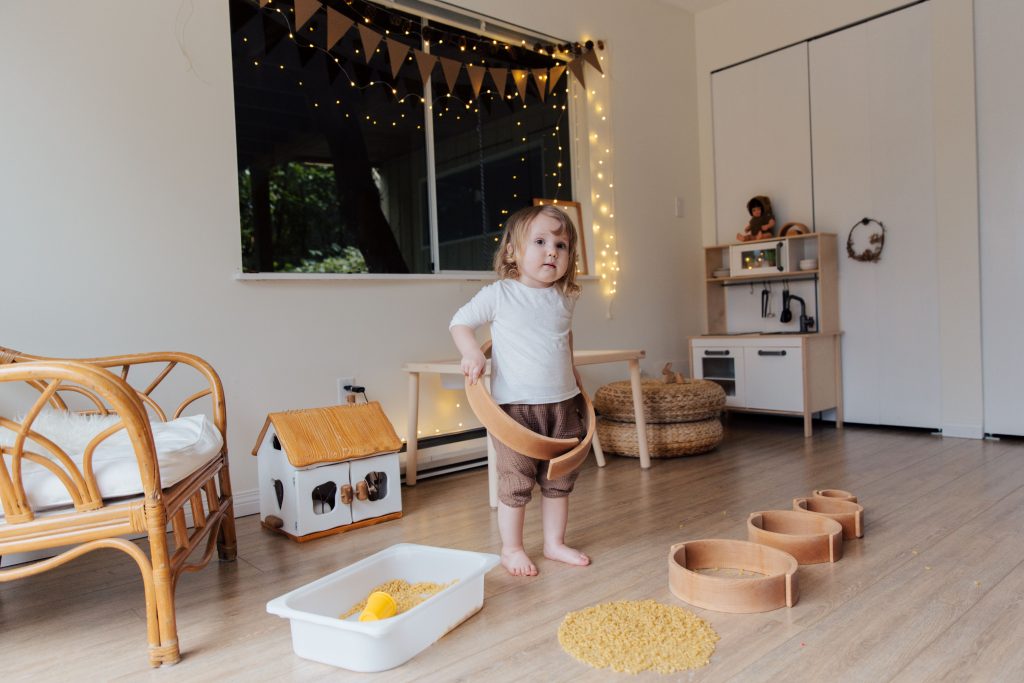
Taste-Safe Sensory Play From the Kitchen
For toddlers who still mouth everything, familiar edible materials can simplify play. Try plain yogurt or purée for finger trails, cooled cooked noodles to squish, or ripe banana to mash.
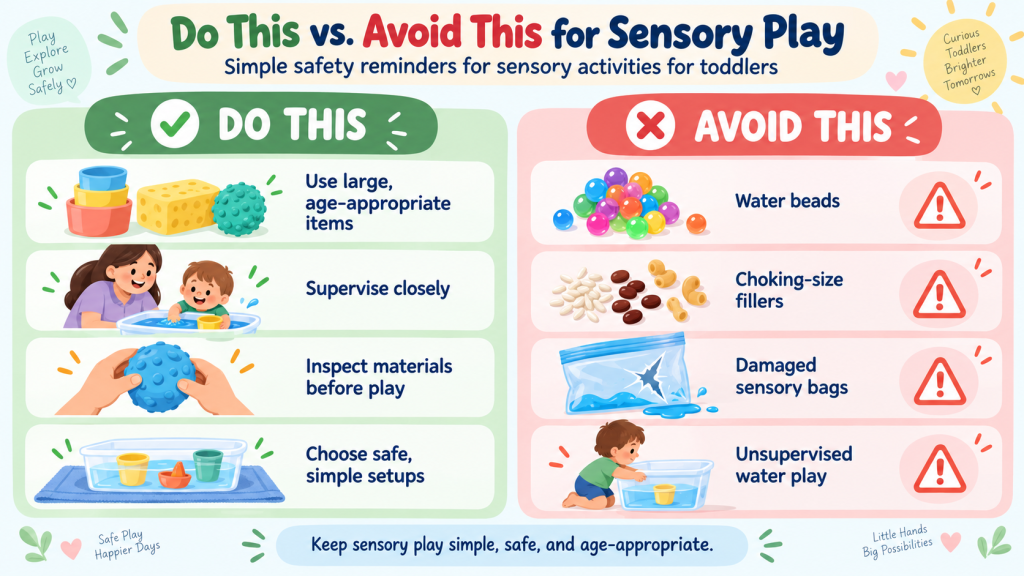
“Taste-safe” never means unsupervised. Use foods your child already eats safely, consider allergies, and follow choking precautions. Avoid dry beans, hard pasta, beads, or other small fillers for children who mouth objects.
Low-Mess Ideas for Apartments and Busy Days
Not every sensory session needs a bath afterward. Try reusable stickers on a window, painter’s tape to peel, textured balls, scarves pulled from a box, or a flashlight game.
A sealed sensory bag can work if you inspect it and supervise closely. The best low-mess sensory activities for toddlers are the ones you will happily offer again.
Sensory Bins Without the Pinterest Pressure
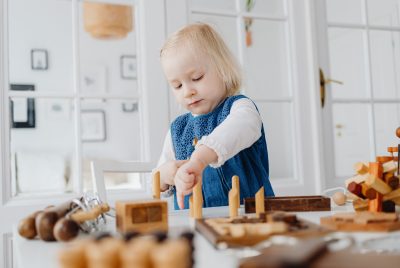
A sensory bin can be one container, one material, and two tools. Build it around an action—scooping, pouring, squeezing, sorting, or finding—rather than a decorative theme.
For children who mouth objects, skip small loose fillers and use water, fabric, or large washable toys. Skip water beads entirely: their small size and expansion after swallowing create a serious ingestion hazard.
Recommended Products for Sensory Activities for Toddlers
Household items can cover plenty of play, but a few durable products make repeat setups easier. These picks support different ages, spaces, and styles of sensory activities for toddlers rather than repeating the same basic toy.
| Product | Best fit | Age guidance | Standout feature |
| Fat Brain Toys Original Dimpl Brand Baby Toy | Portable tactile play | 10 months+ | Five pressable silicone bubbles |
| Crayola Washable Finger Paint Set | Creative messy play | 12 months+ | Four washable finger paints |
| Learning Resources Spike The Fine Motor Hedgehog | Fine-motor sorting | 18 months+ | 12 chunky removable quills |
| Edushape Textured Sensory Balls | Touch plus movement | 6 months+ | Four textured 4-inch balls |
| Step2 Rain Showers Splash Pond Water Table | Outdoor shared play | 18 months+ | Pour-and-rain water system |
Fat Brain Toys Original Dimpl Brand Baby Toy, Sensory Toys for Babies 10 Months+, Interactive Baby Toys, Fidget Toys, 1 Piece
Best for: Travel and low-mess tactile play
This compact toy places five silicone bubbles in a rigid frame for pushing back and forth. Its simple action works well in a stroller, diaper bag, or waiting room when a full activity setup is unrealistic. The limitation is also its strength: it offers focused tactile play rather than the open-ended possibilities of water, dough, or art.
Crayola Washable Finger Paint Set, Toddler Paint Kit, 4 Tubes of Paint, 10 Sheets of Paper, Gift
Best for: Toddlers who enjoy colorful, creative messy play
The set includes four washable finger paints and 10 large sheets of finger-paint paper, and the manufacturer lists it for ages 12 months and up. It gives toddlers room to smear, mix, and make marks. Cleanup is easier than with many art materials, although “washable” still calls for a protected surface and clothes you can rinse.
Learning Resources Spike The Fine Motor Hedgehog
Best for: Fine-motor practice with built-in storage
Spike uses 12 chunky, colorful quills that toddlers can remove, replace, sort, and match; the manufacturer specifies ages 18 months and up. The pieces store inside the hedgehog, which is handy in smaller homes or for travel. It is more structured than open-ended sensory play, so children craving big-body movement may prefer another pick.
Edushape Textured Sensory Balls – Set Of 4 Colorful Senso-Dot Balls
Best for: Younger toddlers who like touch and movement
This four-ball set uses varied surface textures and 4-inch balls that can be gripped, rolled, tossed, and chased. The manufacturer lists the set for ages 6 months and up and says the balls are BPA- and phthalate-free. They suit floor play well, although families seeking a seated fine-motor task may prefer Spike or Dimpl.
Step2 Rain Showers Splash Pond Toddler Water Table
Best for: Outdoor water play and more than one child
This table lets children scoop water into an upper tray so it falls through movable spinners and ramps; it includes 13 accessories and holds up to five gallons. The manufacturer lists it for ages 18 months and up. It creates engaging pour-and-watch play, but it needs outdoor space, adult assembly, close supervision, draining, and drying after use.
What Research Says About Sensory Activities for Toddlers
The evidence is strongest for play broadly, rather than claims that one particular sensory bin produces a specific developmental outcome. The American Academy of Pediatrics’ “The Power of Play” clinical report, published in 2018 and reaffirmed in January 2025, links developmentally appropriate play with social-emotional, cognitive, language, self-regulation, and executive-function development, along with nurturing caregiver relationships.
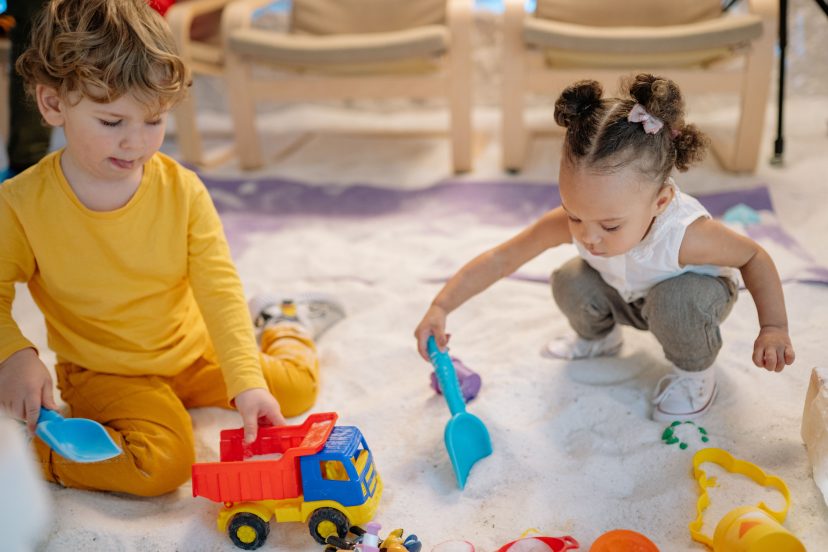
Current CDC developmental guidance for 2-year-olds offers practical overlap. Its May 2026 guidance suggests letting children use sand toys, plastic containers, spoons, or funnels in a tub or sandbox, alongside blocks, songs, walks, and puzzles.
That does not prove one activity “boosts the brain.” Instead, it shows that hands-on exploration fits comfortably within mainstream developmental guidance. Use sensory activities for toddlers as opportunities for play, connection, and exploration rather than therapy promises.
Safety Rules That Matter More Than the Setup
Supervision and material choice matter more than making the bin cute. American Academy of Pediatrics choking-prevention guidance advises avoiding toys with small or detachable parts for young children and following age recommendations because those guidelines account for choking risks and developmental abilities.
Water beads deserve a specific no. The U.S. Consumer Product Safety Commission’s water-bead guidance reports nearly 7,000 water-bead ingestion injuries treated in U.S. emergency departments from 2018 through 2022 (CPSC, 2026). The agency warns that water beads can expand dramatically after swallowing and advises removing them from environments with children.
Inspect homemade bags, containers, and toys before play, and stop any setup that becomes unsafe.
FAQs About Sensory Activities for Toddlers
What are the easiest sensory activities for toddlers to start with?
Start with one familiar material and one simple action. Water with two cups, a textured ball to roll, playdough to squash, washable paint in a sealed bag, or a sponge-and-toy washing station all work well. Simple setups make it easier to see what your toddler enjoys and to stop before either of you feels overwhelmed.
How long should a toddler do a sensory activity?
There is no required session length. Let interest guide you. Five focused minutes can be enough for one child, while another may happily repeat pouring or rolling for much longer. End when your toddler wanders away, becomes frustrated, starts using materials unsafely, or simply seems ready for something else rather than stretching the activity to meet a timer.
Are sensory activities only for toddlers with sensory processing difficulties?
No. Sensory activities for toddlers can simply be ordinary play involving touch, movement, sound, sight, smell, or taste. Children do not need a diagnosis to enjoy water, dough, music, climbing, or textured toys. However, if sensory reactions interfere with eating, dressing, sleep, play, or daily routines, discuss those patterns with your child’s healthcare provider.
What can I use instead of rice in a sensory bin?
For a child who still mouths objects, avoid replacing rice with another small dry filler. Use water, large washable toys, fabric pieces, big sponges, or other age-appropriate items that do not present the same choking concern. Older toddlers who reliably keep nonfood items out of their mouths may have more options, but close supervision still matters.
How frequently should I introduce sensory activities to my toddler?
There is no need to follow a strict schedule. Sensory play can happen naturally through bath time, outdoor walks, helping in the kitchen, music, art, and active play. Offer it often enough that it feels familiar, but vary the type based on your child’s mood and interest. Repetition is useful too, so there is no need to invent a brand-new setup every day.
Choosing Sensory Activities for Toddlers That Fit Your Family
The most useful sensory activities for toddlers are safe, repeatable, and genuinely workable in your home. Start with your child’s preferences, then consider mouthing, age guidance, space, cleanup, and how closely you can supervise. Household materials may be all you need; for repeat play, Dimpl is a compact low-mess option, while the Step2 water table suits families with outdoor space and children who love pouring.
Keep the goal simple: offer something interesting, stay nearby, add a few words or turns when it feels natural, and let your toddler decide how long to engage. You do not need elaborate themes or constant novelty. A cup, a ball, a blob of dough, and a curious toddler can already do a lot.