Summer Activities for Kids: Fun Ideas for Every Age
We may earn a commission for purchases made using our links. Please see our disclosure to learn more.
Summer sounds wonderful… until the first “I’m bored” shows up before breakfast.
You had visions of slow mornings, sunshine, maybe a little outdoor play, and happy kids making sweet memories. Then real life kicks in. Someone wants snacks. Someone cannot find their shoes. Someone is already tired of every toy they own.
That is why having a simple list of summer activities for kids can make the season feel much easier. You do not need an expensive summer camp schedule, a giant backyard, or a closet full of craft supplies. Kids mostly need movement, creativity, outdoor time, rest, and connection.
This guide gives you easy ideas for indoor play, outdoor fun, water activities, simple learning, screen-free time, safety, and a few helpful products. Affiliate note: this article may include product recommendations. Think of it as a flexible menu. Pick what fits your child’s age, the weather, your energy level, and the kind of day your family is having.
Summer Activities for Kids Should Be Simple
The best summer activities for kids are often the ones that do not require much planning. A sprinkler, sidewalk chalk, bubbles, cardboard boxes, or library books can create hours of fun.
The goal is not to make every day magical from sunrise to bedtime. That sounds lovely, but also exhausting. The goal is to create small moments that feel doable, fun, and meaningful.
Think of summer like a loose playlist. You do not need to play every song in order. You just need a few good options ready when boredom, heat, or crankiness shows up.
Some days, the big win might be a backyard picnic. Other days, it might be a quiet reading hour while everyone cools down indoors. Both count. Summer does not have to look perfect to be good.
Start With a Flexible Summer Rhythm
Kids usually feel calmer when they know what comes next. A simple summer rhythm gives the day a little structure without making it feel like school.
You might try this easy pattern:
- Morning: outdoor play, movement, errands, or a short outing
- Afternoon: quiet indoor time, reading, crafts, or rest
- Evening: family walk, backyard game, dinner outside, or movie night
This kind of rhythm helps children feel grounded. It also saves parents from answering “What are we doing now?” every ten minutes.
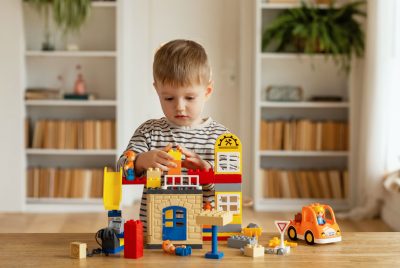
Of course, keep it flexible. If it rains, move indoors. If everyone is tired, choose books, puzzles, or a slow movie afternoon. If your child is happily building with blocks or making a fort, let the moment stretch.
A summer rhythm is not a strict rulebook. It is more like a gentle guide that helps the day flow.
Backyard Summer Activities for Kids
You do not need a huge yard to make outdoor play feel special. A backyard, driveway, patio, balcony, or nearby park can become a summer adventure spot with a little imagination.
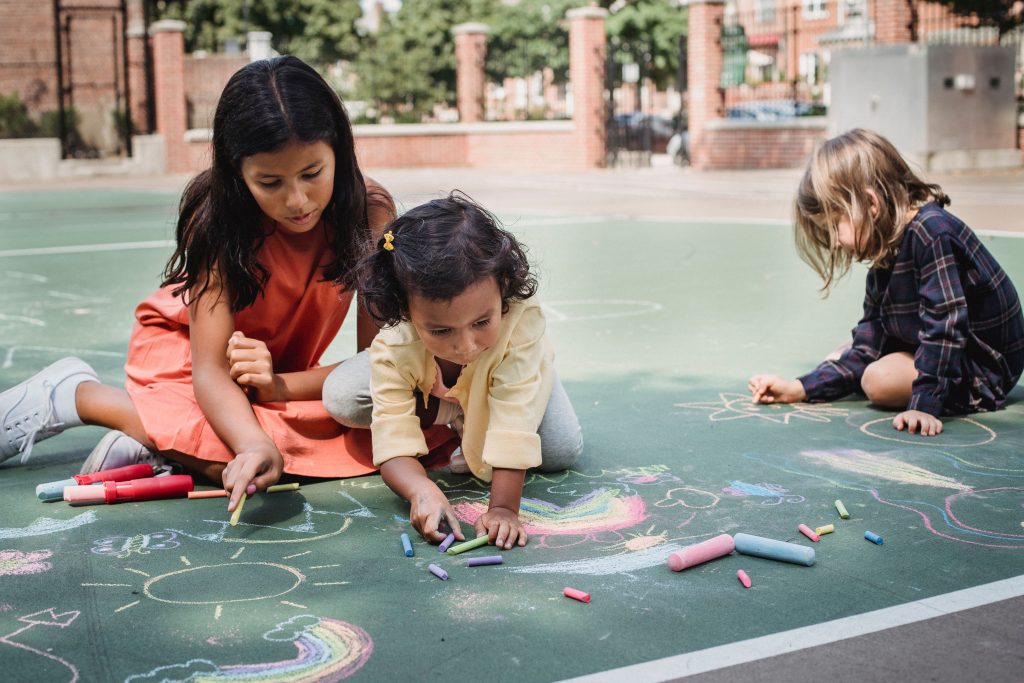
Try sidewalk chalk roads, bubble races, nature scavenger hunts, blanket forts, beanbag toss, or a pretend mud kitchen using old bowls and spoons. Younger kids often love sensory play. Older kids may enjoy challenges, timers, races, or building something more complicated.
Sometimes the name makes the activity feel exciting. A sandwich on a blanket becomes a picnic. A stroll around the block turns into a mission. A few pillows outside become a cozy summer fort.
Kids usually do not need fancy. They need an invitation to play.
Water Play Ideas for Hot Days
Water play is summer magic. It cools kids down, gets them moving, and often keeps them busy longer than expected.
For toddlers and preschoolers, fill a shallow bin with water, cups, spoons, floating toys, and small containers. Let them scoop, pour, squeeze, and splash. It looks simple, but they are exploring texture, cause and effect, coordination, and problem-solving.
Older kids may enjoy sprinkler races, sponge toss games, water balloon relays, or a backyard water slide.
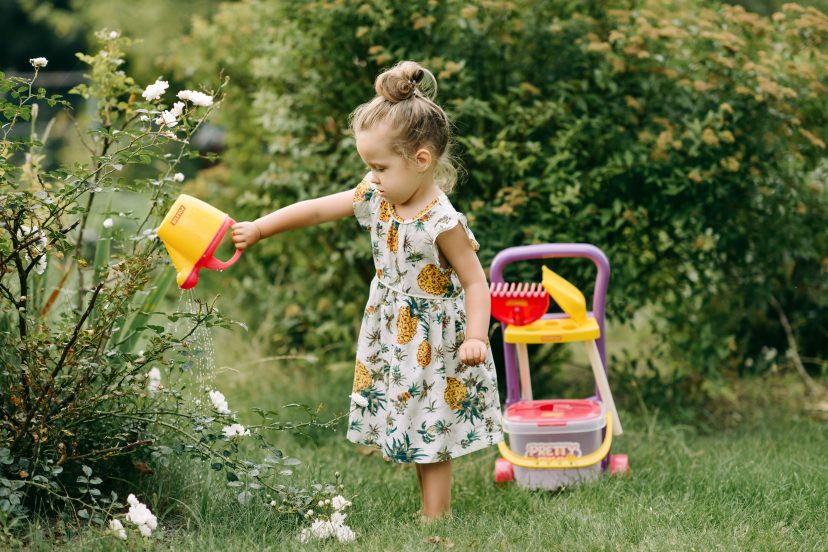
You can also try water painting. Give kids a bucket of water and paintbrushes, then let them “paint” the sidewalk, fence, or patio. No mess, no stains, and the sun cleans it up for you. Beautiful.
Always supervise children closely around water, even when it looks shallow. Water fun is wonderful, but safety should always stay part of the plan.
Nature Adventures for Curious Kids
Outdoor activities for kids do not have to be fancy. A slow walk can become a full adventure when you see it through a child’s eyes.
Kids notice things adults often miss: a shiny rock, a tiny ant trail, a strange leaf, a bird calling from a tree, or a cloud that looks like a dragon with questionable legs.
Nature gives children room to wonder, move, and explore.
You do not need a nature trail or national park. A neighborhood sidewalk, small garden, park bench, or patch of grass can work just fine.
Creative Indoor Activities for Very Hot Days
Some summer days are too hot, stormy, or sticky for outdoor play. That is when indoor summer activities save the day.
Set up a low-mess art station with paper, crayons, stickers, washable markers, tape, and recycled boxes. Kids can make puppets, paper plate animals, homemade cards, cardboard houses, or sticker stories.
Then offer a playful prompt, such as, “Build something a tiny animal could live in,” or “Make a machine that solves a silly problem.”
Open-ended activities let kids experiment, change their minds, and create without copying a perfect example. That’s where the good things happen.
STEM Summer Activities for Kids
Summer learning activities should feel playful, not like homework in disguise.
Try sink-or-float experiments, paper airplane contests, shadow tracing, ice cube excavation, homemade volcanoes, tower-building challenges, or measuring games in the kitchen.
One easy challenge is this: “Can you build a boat that holds five coins?”
Give your child foil, paper, tape, and a bowl of water. Let them design, test, sink, laugh, adjust, and try again.
That process teaches problem-solving, patience, and creative thinking. Kids learn that mistakes are not the end of the activity. They contribute to the process of solving problems.
That is one of the best parts of summer learning. It can be messy, funny, hands-on, and still meaningful.
Reading and Storytelling That Feel Like Play
Reading does not need to feel like school. Summer is a great time to make books relaxed, cozy, and fun.
Build a reading tent with blankets. Read under a tree. Let kids act out a favorite story. Start a family read-aloud after dinner. You can also create a summer reading passport where kids add stickers for each book they finish.
Audiobooks count too. Listening to stories still builds vocabulary, imagination, and comprehension. Stories are stories, whether kids read them with their eyes or hear them with their ears.
Movement Games That Burn Energy
Kids need to move, especially during summer when routines get loose. Movement supports mood, sleep, focus, and overall health.
The CDC’s 2024 guidance says children and teens ages 6–17 should get at least 60 minutes of moderate-to-vigorous physical activity each day. That does not mean formal exercise.
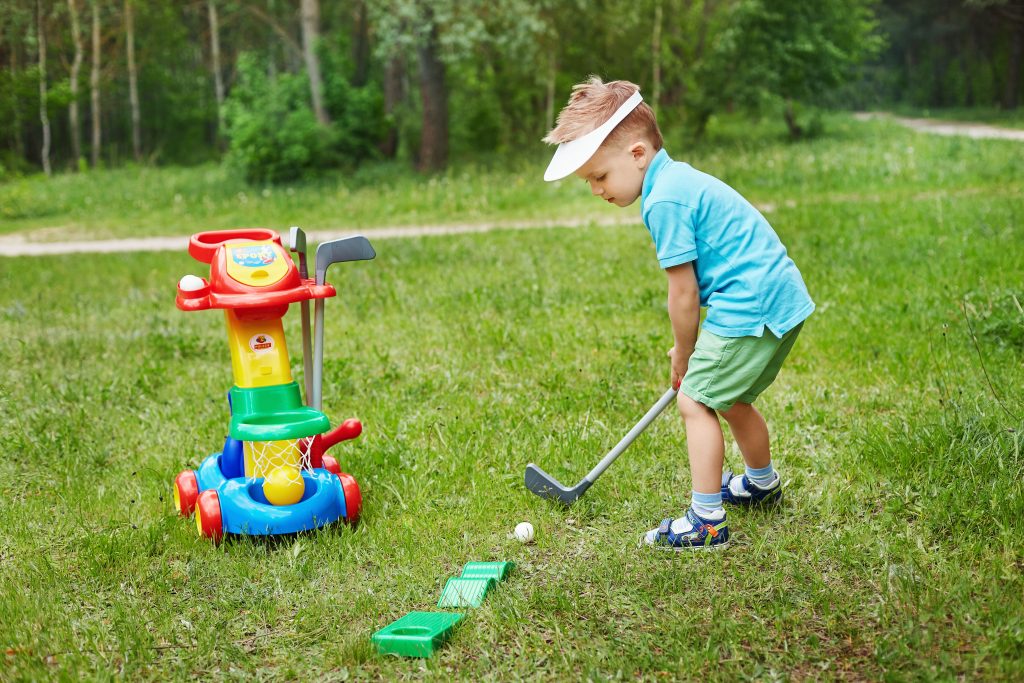
Dance parties count. Bike rides count. Jump rope counts. Balloon volleyball, backyard races, playground time, and animal walks all count.
Movement does not have to be fancy. Sometimes kids just need music, space, and permission to be silly.
And yes, if it helps them sleep better later, that is a gift to the entire household.
Food and Kitchen Activities Kids Can Help With
The kitchen can become a summer classroom, snack station, and sensory lab all in one.
Kids can wash fruit, stir ingredients, arrange toppings, measure, pour, or build their own snack plates. Older kids can read recipe steps, measure carefully, or chop soft foods with supervision.
You do not need complicated recipes. A bowl of yogurt, fruit, and granola can become a parfait bar. Juice and chopped fruit can become popsicles. Crackers, cheese, veggies, and dips can become a build-your-own snack plate.
Cooking builds confidence because kids get to contribute. Plus, food often tastes better when they helped make it.
Community and Cultural Summer Ideas
Family summer activities can also help kids feel connected to their community and culture.
Visit a farmers market, library event, museum, community garden, local festival, outdoor concert, or cultural celebration. These outings let children see new places, hear different music, try new foods, and learn from the world around them.
You can also bring family traditions into the season. Cook a family recipe, teach a childhood game, share music, or tell stories from relatives.
If your child enjoys themed celebrations, these New Year’s activities for toddlers can inspire party-style games and crafts that easily adapt for summer.
Summer is a lovely time to help kids understand that fun can come from many places, cultures, and family traditions.
Screen-Free Ideas Without the Power Struggle
Screen-free activities work better when they feel like an invitation, not a punishment.
Instead of saying, “No screens,” try saying, “Let’s do one hands-on thing first.” Then offer two choices: painting rocks or making a snack, building a fort or playing outside, reading a book or doing a puzzle.
Kids like having some control. Honestly, adults do too.
You can also write activity ideas on slips of paper and place them in a jar. When boredom shows up, let your child pick one.
Helpful Products for Summer Activities
Here are five helpful products that fit naturally into summer activities for kids.
Step2 Rain Showers Splash Pond Water Table
This water table is great for toddlers and preschoolers who love scooping, pouring, splashing, and experimenting with water.
It encourages sensory play and keeps kids engaged outdoors.
Features: water maze pieces, sensory play accessories, toddler-friendly height
Best for: younger kids, backyard water play, sensory exploration
Melissa & Doug Sunny Patch Seaside Sidekicks Sand Baking Set
This pretend baking set turns beach or sandbox play into a creative little bakery.
Kids can scoop, mold, mix, and pretend to bake sandy treats while using their imagination.
Features: sand molds, mixing tools, durable play pieces
Best for: beach trips, sandbox play, imaginative kids
Stomp Rocket The Original Jr. Glow Rocket Launcher
This rocket launcher mixes outdoor movement with simple STEM fun.
Kids can stomp, launch, chase, and compare how far the rockets fly.
Features: foam rockets, kid-powered launch pad, glow-in-the-dark play
Best for: active kids, outdoor science play, family competitions
Little Tikes Easy Score Basketball Set
This beginner basketball set helps toddlers and younger kids build coordination, balance, and gross motor skills.
Because the height is adjustable, it can grow with younger children.
Features: adjustable height, oversized rim, child-friendly ball
Best for: gross motor skills, active play, beginner sports fun
JOYIN 22.5ft Water Slides and 2 Bodyboards
This backyard water slide brings big summer energy to hot days.
It works well for kids who need active outdoor play and enjoy water-based fun.
Features: long slide lane, sprinkler feature, two bodyboards
Best for: backyard parties, hot days, kids who need active outdoor fun
Research-Backed Benefits of Summer Play
Summer play is not just a way to keep kids busy. The American Academy of Pediatrics notes that play supports healthy brain development, stress management, and parent-child connection.
Outdoor time also has real benefits. Research on nature exposure and children’s well-being links time in nature with better mental health, physical activity, sleep, and cognitive function.
So when kids run, dig, splash, build, pretend, and explore, they are not just passing time. They are learning in one of the most natural ways possible.
FAQs About Summer Activities for Kids
Which at-home summer activities are the greatest for kids?
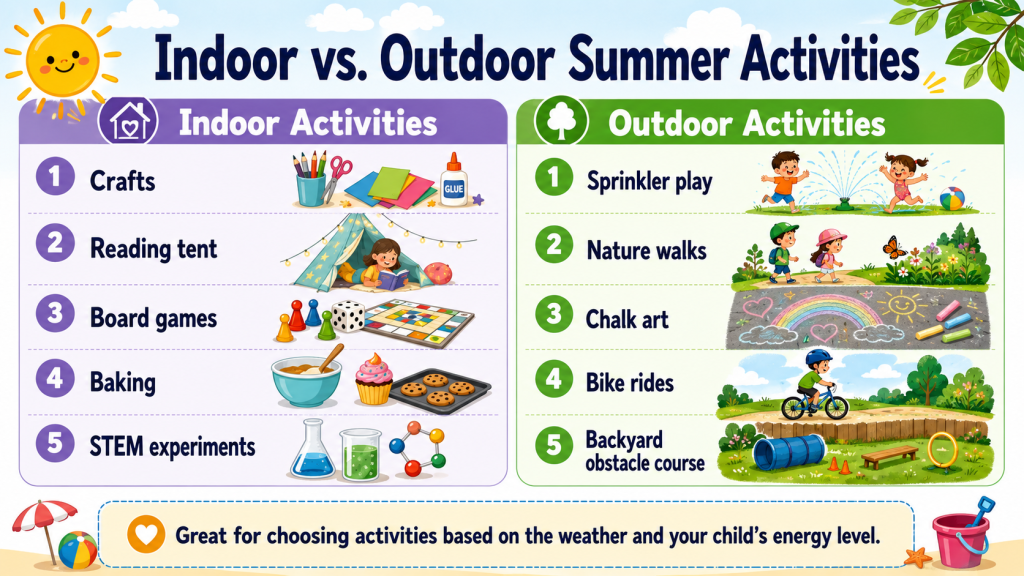
The best at-home summer activities include water play, crafts, reading challenges, backyard obstacle courses, baking, scavenger hunts, puzzles, pretend play, and simple STEM experiments. Choose ideas based on your child’s age, energy level, and the weather.
How can I keep kids occupied during the summer without using screens?
Create a small activity menu with art, outdoor play, building toys, reading, kitchen projects, sensory bins, and pretend play. Offer two choices at a time so kids feel involved without feeling overwhelmed.
What are good outdoor summer activities for kids?
Great outdoor summer activities include nature walks, sidewalk chalk, sprinkler play, bubble games, bike rides, gardening, park trips, scavenger hunts, backyard sports, and picnics.
What are some enjoyable summertime indoor activities for hot summer days?
Try cardboard building, painting, puzzles, indoor camping, dance games, audiobooks, homemade popsicles, sensory bins, puppet shows, or craft stations.
How can I make summer activities educational but still fun?
Keep learning playful. Let kids measure ingredients, test paper airplanes, observe insects, sort nature finds, read maps, build simple machines, or create stories.