
Decorate Easter Eggs: Easy Ideas to Try
We may earn a commission for purchases made using our links. Please see our disclosure to learn more.
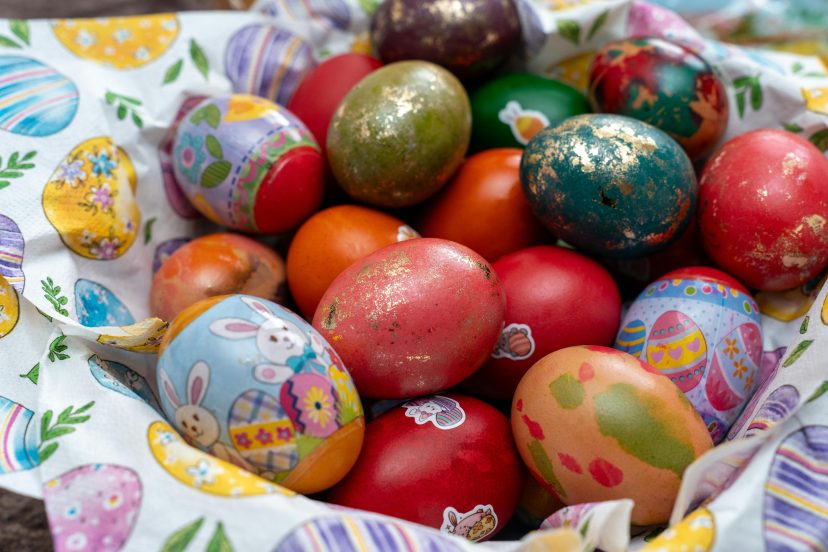
If you’ve ever sat down to decorate easter eggs with kids and ended up with dye on the table, glitter on the dog, and one mysteriously broken egg in somebody’s sock, you’re in good company.
The good news is that egg decorating does not have to feel like a mini disaster dressed up as a holiday memory. With the right setup, a few simple ideas, and realistic expectations, it can become one of those sweet family traditions your kids talk about long after the jellybeans are gone.
In this guide, you’ll learn how to decorate easter eggs in ways that feel fun, manageable, and actually worth doing. We’ll cover classic dyeing, low-mess options, natural color ideas, age-based tips, safety, and a few helpful products that can make the whole thing easier.
This article includes product suggestions, and I may earn a commission from qualifying purchases at no extra cost to you.
Why Families Love to Decorate Easter Eggs
There’s something charmingly old-school about it. No batteries. No complicated rules. Just color, creativity, and a small object that somehow makes children feel like tiny artists with big opinions.
More importantly, creative family art activities can support social, cognitive, and emotional development. NAEYC also notes that meaningful art projects do not need elaborate prep to be worthwhile.
And honestly, that tracks. When you decorate easter eggs together, your child is not just “doing a craft.” They are making choices, practicing patience, using fine motor control, and sharing a moment with you.
What You Need Before You Start
You do not need a craft closet that looks like a kindergarten supply room exploded.
A simple setup usually works best:
- Hard-boiled eggs or wooden eggs
- Cups or bowls
- Food coloring or an egg dye kit
- White vinegar
- Spoons or egg dippers
- Paper towels
- Washable markers, stickers, or paint pens
- An old tablecloth, tray, or newspaper
Think of it like making pancakes with kids. The fewer moving parts, the less likely you are to question your life choices halfway through.
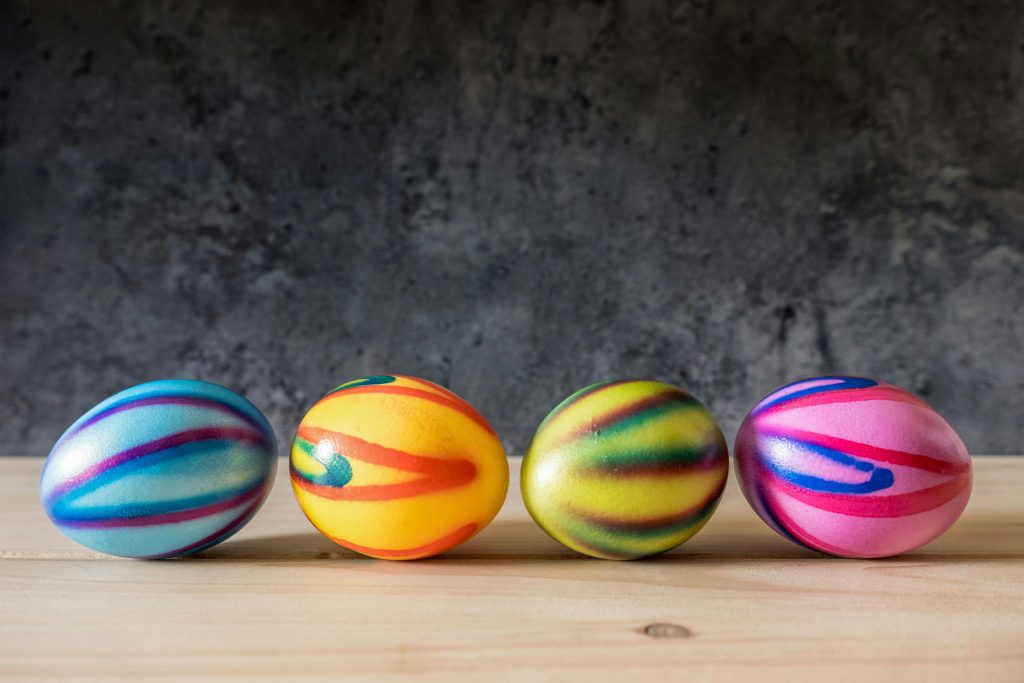
Choose the Right Eggs for Your Family
Real eggs are classic. They feel traditional, and if you want to dye, marble, or crackle them, they work beautifully.
However, wooden or reusable eggs are excellent if you have toddlers, want keepsakes, or simply do not want to panic every time somebody squeezes too hard. They also give kids more time to decorate without the pressure of working around a fragile shell.
So ask yourself one practical question: do you want edible eggs, display eggs, or stress-free eggs? Your answer changes the whole vibe.
Set Up a Low-Stress Egg Decorating Station
This part matters more than people think.
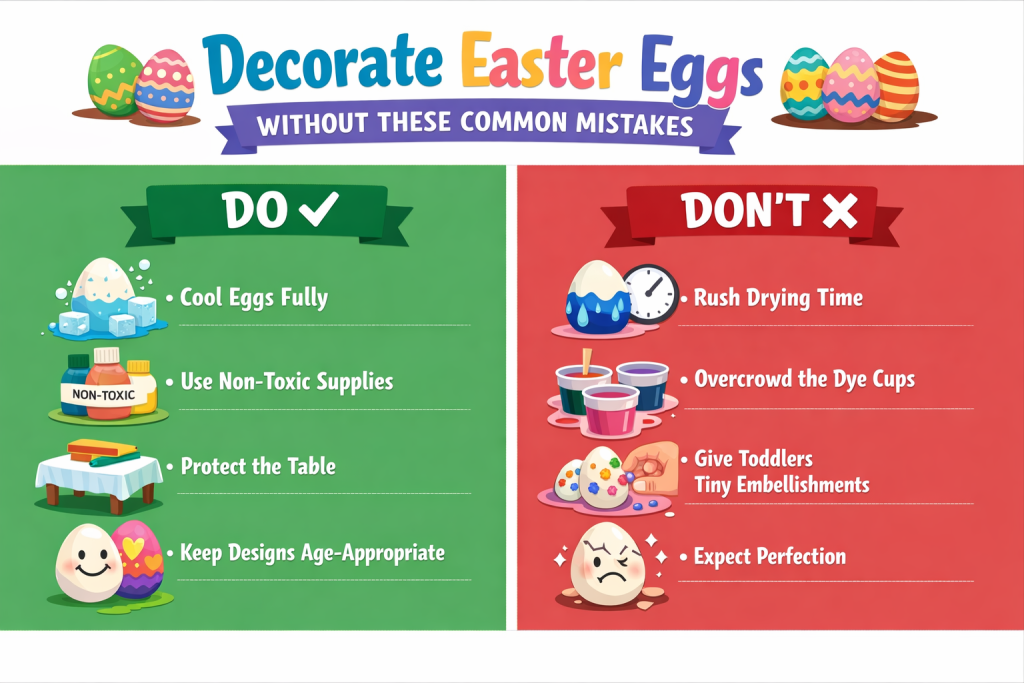
Give each child a small space with their own tools. Put dyes or markers in the middle. Keep wipes or damp cloths nearby. And if possible, use a tray under each decorating area so spills stay contained.
A little structure helps kids feel more independent. It also saves you from repeating, “Please do not dip your sleeve in the blue cup,” twelve times in ten minutes.
If your kids like extra activities after crafts, you can keep the creativity going with these crafts to do when you’re bored as a nice follow-up.
How to Boil Eggs Without Drama
If you’re using real eggs, start here.
Arrange the eggs in one layer in a pot and pour in enough cold water to cover them. Bring the water to a boil, then switch off the heat, cover the pot, and let the eggs rest for 10 to 12 minutes. After that, move them to cool water.
Let them dry fully before decorating. Wet eggs and impatient children are a slippery little combo.
Also, boil a few extra. One will crack. Another will mysteriously vanish. Easter crafting has its own laws of physics.
How to Dye Easter Eggs the Classic Way
Classic egg dyeing still works because it is simple and satisfying.
Fill cups with warm water, a little vinegar, and dye tablets or food coloring. Dip the eggs briefly for soft shades or leave them in longer for deeper colors. Let them dry on a rack, carton, or paper towel.
Easy ways to make them look special
- Use a white crayon first for hidden designs
- Wrap rubber bands around eggs before dyeing
- Dab with a sponge for a mottled effect
- Layer light colors first, then darker ones
This is the version most parents picture when they think about how to decorate easter eggs. It is familiar, affordable, and still fun.
Mess-Free Ways to Decorate Easter Eggs with Kids
Not every family wants bowls of dye on the table, and that is completely fair.
Markers, stickers, washi tape, temporary tattoos, and peel-and-stick gems can all create cute results with far less cleanup. Spinner-style decorating kits are also popular because they keep the egg moving while kids hold the marker in place.
If your child gets overwhelmed by too many steps, mess-free methods are often the sweet spot. They still get the joy of creating something colorful without the “oh no, purple everywhere” part.
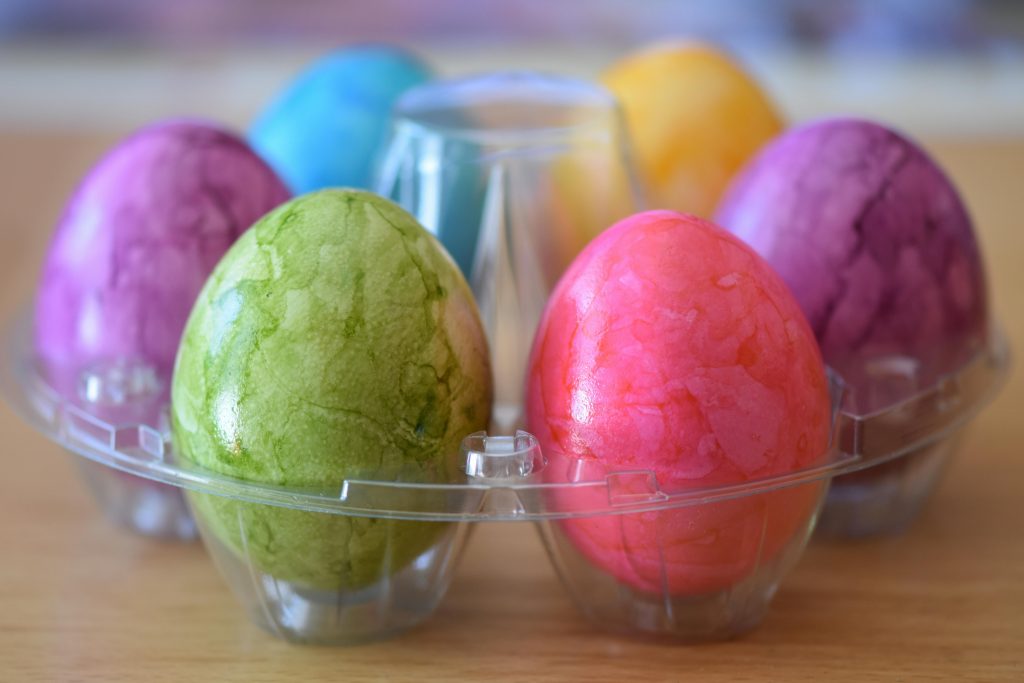
Natural Ways to Decorate Easter Eggs
If you like a softer, earthy look, natural egg dyes can be lovely.
You can tint eggs with ingredients like turmeric for yellow, red cabbage for blue, onion skins for warm rust tones, or beets for pinkish shades. The colors are usually more muted, but that is part of the charm. They look less like neon candy and more like a cozy spring table.
Natural decorating can also be a nice chance to talk with kids about color, plants, and experimentation. It feels a bit like kitchen science, which makes it extra fun.
Cute Easter Egg Decorating Ideas by Age
A five-year-old and a twelve-year-old do not need the same plan. That’s the point where many parents tend to hit a wall.
Toddlers and preschoolers
Keep it simple:
- Stickers
- Washable markers
- Sponge dabbing
- Wooden eggs instead of real ones
Early elementary kids
They often love:
- Classic dye cups
- Crayon resist designs
- Character faces
- Polka dots and stripes
Older kids and tweens
Try:
- Marbled effects
- Galaxy eggs
- Ombre color dips
- Mini painted flowers or abstract art
The trick is matching the idea to the child, not forcing the child to match the idea.
Creative Themes Kids Actually Enjoy
Sometimes the easiest way to decorate easter eggs is to pick a theme and run with it.
A few reliable winners:
- Animals and bunny faces
- Superhero colors
- Rainbow eggs
- Nature-inspired eggs with leaves and flowers
- Funny monster eggs
- Storybook characters
You can even turn it into a challenge. Who can make the silliest egg? The fanciest? The one most likely to start a tiny egg rock band? Children rise to nonsense with surprising commitment.
Safety Tips for Decorating Easter Eggs
Fun first, yes. But safe fun lasts longer.
The American Academy of Pediatrics notes that art activities support cognitive, social-emotional, and multisensory skills, but age-appropriate materials and supervision still matter.
A few practical rules help:
- Use non-toxic supplies
- Watch small stickers or gems around toddlers
- Keep hot water and sharp tools out of reach
- Refrigerate real eggs if you plan to eat them later
- Wash hands before and after decorating
If you are decorating with very young kids, think “process over perfection.” Nobody needs a museum-quality egg from a three-year-old.
5 Helpful Amazon Products for Egg Decorating
These are solid picks if you want to decorate easter eggs with less hassle or more variety.
1) Eggmazing Egg Decorator Easter Egg Decorator Kit
This kit includes a spinner and 8 quick-drying markers. It is great for kids who like motion, color, and instant results. Best for families who want less dye and less mess.
2) PAAS Deluxe Easter Egg Decorating Kit
A classic choice with 9 dye colors, a magic crayon, stickers, dippers, and stands. Best for families who want the traditional egg-dyeing experience without buying separate supplies.
3) Natural Earth Paint Egg Dye Kit
This one uses 4 food-safe dyes and focuses on a more natural, eco-friendly approach. Best for parents who prefer gentler ingredients and softer, earthy color palettes.
4) The Eggmazing Egg Decorator White Wooden Eggs
These matte white wooden eggs are designed for markers and paint, and they work especially well with spinner decorators. Best for younger kids, keepsakes, and families who do not want breakable eggs involved.
5) Crayola Light-Ups Egg, Recolorable Light Up Egg
This reusable egg comes with washable markers and can be wiped clean to decorate again. Best for little kids who love repeating the activity or changing their minds halfway through.
What Research Says About Creative Egg Decorating
This is the part parents sometimes underestimate: decorating eggs is not “just filler.”
A 2025 meta-analysis on preschool fine motor skills and learning outcomes found a positive and statistically significant relationship between fine motor skills and learning outcomes in young children. That makes activities involving grasping, drawing, dipping, and precise hand movements more meaningful than they may look at first glance.
Also, the AAP’s guidance on the power of play and art activities says drawing and art support cognitive, social-emotional, and multisensory skills in children. In plain English: when your child is happily decorating an egg for twenty minutes, a lot more is happening than holiday entertainment.
So yes, it is cute. But it is also useful.
How to Save the Day When Things Go Wrong
Something always goes sideways. Always.
Maybe the dye looks muddy. Maybe an egg cracks. Maybe your child wanted pastel pink and got “mysterious swamp gray.” That is okay.
Try these quick fixes:
- Use stickers or washi tape to cover cracks
- Turn smudges into patterns with extra dots or lines
- Switch to wooden eggs if frustration is rising
- Let kids rename “mistakes” as special effects
Sometimes the best holiday memories come from the slightly wonky eggs anyway. Perfect eggs are pretty. Funny eggs are family legends.
FAQs About Decorating Easter Eggs
How do you decorate Easter eggs with toddlers?
Use wooden eggs, washable markers, big stickers, and simple dabbing tools like sponges. Keep the activity short, supervised, and focused on fun rather than neat results.
What’s the simplest way to decorate Easter eggs?
The easiest method is using markers and stickers. It skips the mess of dye cups and works especially well for younger kids or quick afternoon crafts.
Can you decorate Easter eggs without using dye?
Yes. You can use paint pens, crayons, stickers, washi tape, temporary tattoos, or spinner kits with markers. These options are often easier for families with small children.
How long do hard-boiled eggs last after decorating?
If they were refrigerated properly and not left out too long, decorated hard-boiled eggs are usually best eaten within one week. When in doubt, use them for display instead of snacking.
What are the best natural ingredients for coloring Easter eggs?
Turmeric, red cabbage, onion skins, and beets are popular choices. They create softer, more natural shades and can make decorating feel like a fun little science experiment.
When you decorate easter eggs, you are not just filling time before Easter dinner. You are building a memory, handing your child a chance to create, and giving yourself permission to enjoy a messy, colorful moment that does not need to be perfect to matter.
Start simple. Pick one method that fits your family. Let the eggs come out a little crooked, a little bright, maybe even a little ridiculous. That is part of the charm.
And if this year’s eggs look like they were designed by tiny, overly confident artists with sticky fingers and strong opinions? Honestly, that sounds like a success.