How to Encourage Independent Play in Your Kids
We may earn a commission for purchases made using our links. Please see our disclosure to learn more.
You finally sit down with a drink, only to hear, “What should I do?” thirty seconds later. Many parents want their children to enjoy Independent Play, yet worry that stepping back will feel neglectful—or that their child simply “isn’t the type” to play alone. Solo play is a skill, not a personality test. It grows through connection, realistic expectations, and practice.
This guide explains what independent play looks like at different ages, how to introduce it without power struggles, which toys can support it, and what research says. You will also learn how to handle interruptions, boredom, small spaces, and busy routines without turning playtime into a stressful project.
What Independent Play Really Means
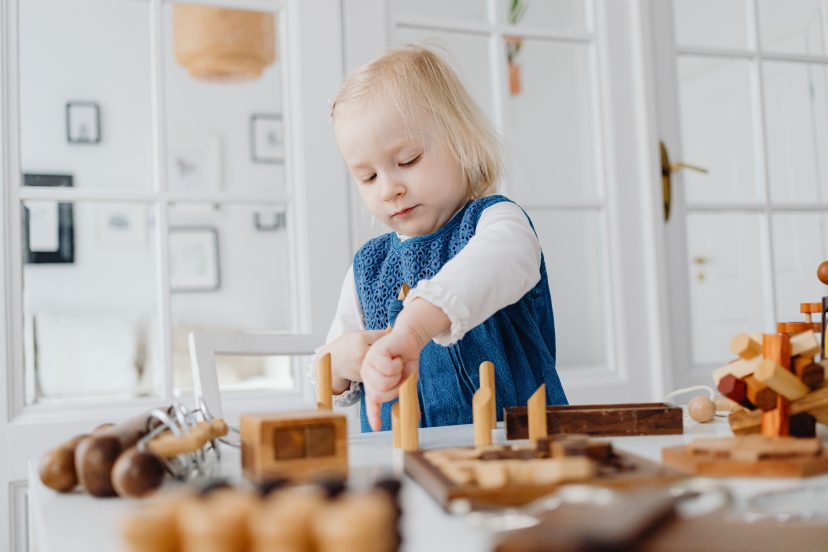
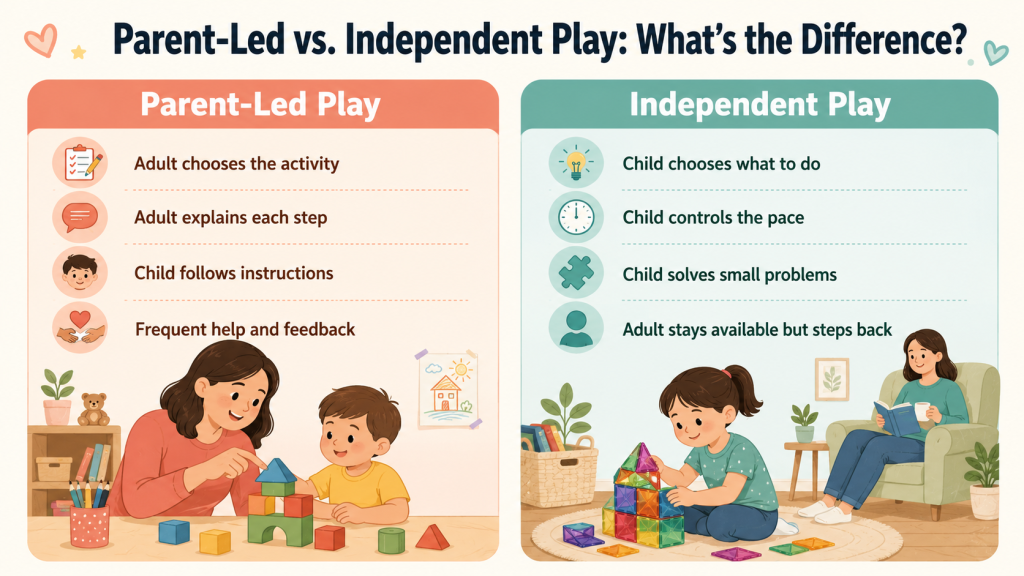
Independent play means a child chooses and directs an activity without needing an adult to entertain, instruct, or continually praise them. A parent may remain nearby, especially with babies and toddlers.
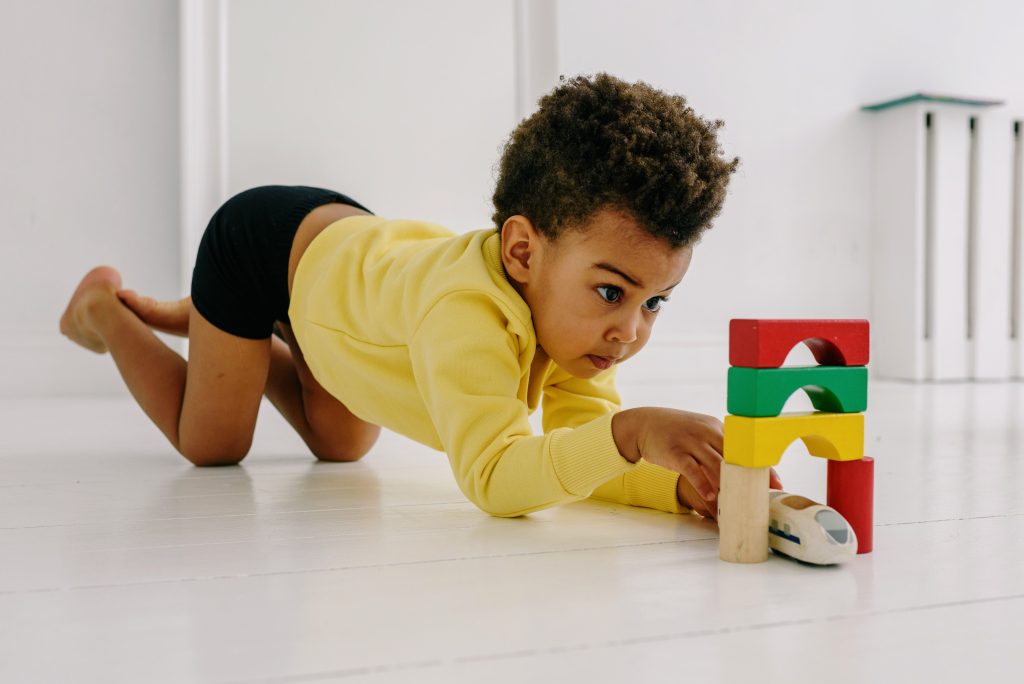
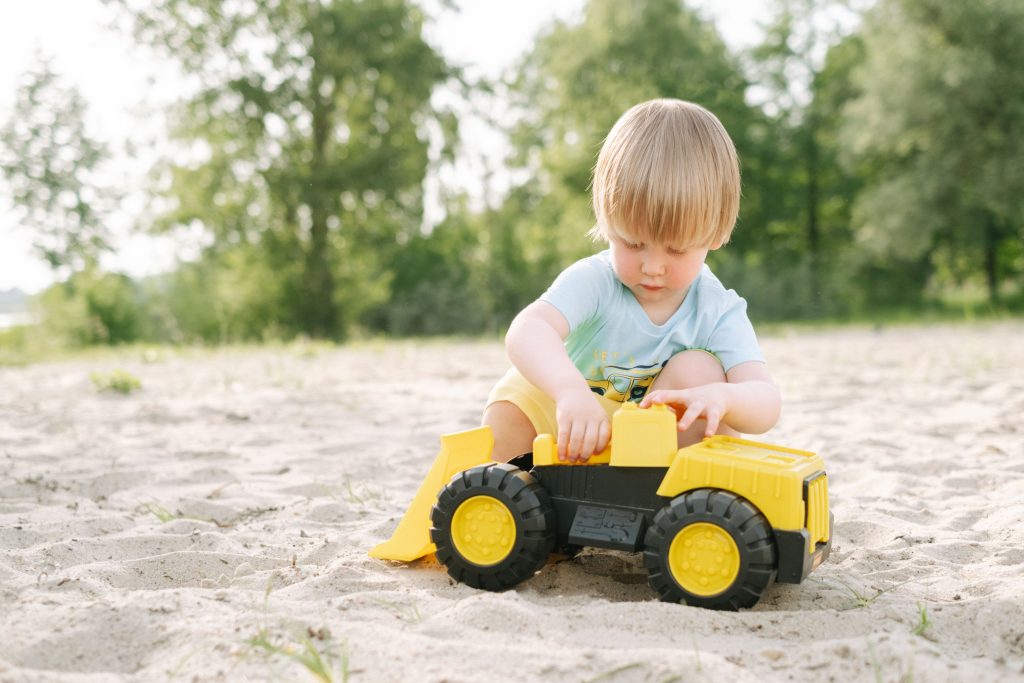
It does not require silence or elaborate pretend play. A toddler stacking and toppling blocks counts, as does an older child drawing or building a fort. The child leads while the adult stays available.
Why Children Resist Playing Alone
Children seek adult involvement because connection feels predictable, and they may expect immediate help when play becomes difficult.
Temperament matters. Some children warm up slowly, crave conversation, or feel uneasy when a parent moves away. Hunger, fatigue, family stress, and developmental changes can also reduce their tolerance. Rather than calling a child “clingy,” treat resistance as information: they may need a smaller first step or more connection before separating.
What Research Says About Independent Play
Direct controlled research on exact “independent play minutes” is limited, so universal age-based schedules deserve caution. However, broader evidence supports regular opportunities for self-directed, developmentally appropriate play.
The American Academy of Pediatrics explains in The Power of Play that play supports language, cognition, social-emotional development, and self-regulation. It also encourages adults to protect child-led play rather than fill every moment with instruction.
A 2014 study of 70 children aged about six to seven linked more time in less-structured activities with stronger self-directed executive functioning. Because the study was correlational, it cannot prove cause and effect. Still, it supports giving children room to choose, plan, and persist.
The CDC developmental milestone guidance can help calibrate broad expectations, but milestones are not a stopwatch for solo play. Adjust for your child’s temperament, communication, and needs.
Start With Connection Before Separation
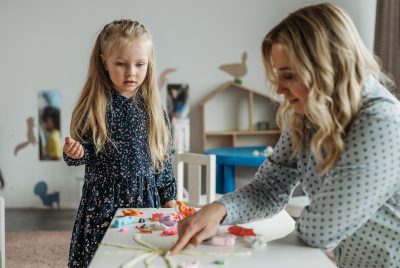
A child who feels connected often separates more easily. Before Independent Play, offer a few focused minutes together: read, cuddle, or begin one small build. Put your phone aside.
Make the handoff clear: “I loved building with you. You can keep creating while I fold laundry nearby.” This predictable transition feels safer than suddenly disappearing and shows that together-time and solo time can comfortably coexist.
Match Expectations to Age and Temperament
Start with what your child can manage today. A baby may explore a play gym for a few supervised minutes. A toddler may play beside you while you remain visible. A preschooler might manage ten minutes, while an older child may become absorbed much longer.
These are examples, not rules. Extend gradually, and expect setbacks during illness, travel, or developmental leaps. Ending before frustration peaks helps preserve confidence.
Create a Safe, Inviting Play Space
You do not need a dedicated playroom. A washable mat, low shelf, basket, or kitchen-side corner can work. Keep a small number of choices visible and remove items that demand repeated adult help.
Follow age labels, secure tip-prone furniture, inspect toys, and keep small parts away from children under three. The U.S. Consumer Product Safety Commission regulates small parts because they can create choking, aspiration, or ingestion hazards.
ParentLoom’s Montessori-inspired play setups also offer practical ideas for making materials accessible without overwhelming the room.
Choose Toys That Sustain Attention
The best toys for Independent Play leave decisions unfinished. Blocks, figures, magnetic tiles, art supplies, reusable activity books, play dough, and household props can support many ideas.
Not every toy must be wooden, neutral, or “educational.” A character set may inspire storytelling, while a box becomes a bus or shop. Offer a balanced mix, then rotate materials instead of continually adding more. Fewer visible choices often make starting easier.
Recommended Products for Independent Play
These options suit different ages, spaces, budgets, and preferences. Follow age guidance and supervise appropriately.
| Product | Age | Best fit | Consideration |
| Fisher-Price Kick & Play Piano Gym | 0+ | Baby floor play | Lights and sounds |
| Melissa & Doug Wooden Blocks | 2+ | Open-ended building | Needs storage |
| LEGO DUPLO Brick Box 10913 | 18+ months | Building and stories | May need a starter idea |
| MAGNA-TILES Classic 32-Piece Set | 3+ | Small-space building | Inspect pieces |
| Water Wow! Animals | 3+ | Travel | Predetermined pictures |
| Crayola Inspiration Art Case | 5+ | Drawing | Protect surfaces |
| Play-Doh Fun Factory Deluxe Set | 3+ | Sensory play | Requires cleanup |
Fisher-Price Glow and Grow Kick & Play Piano Gym
Best for: Babies beginning supervised floor play
This gym offers four play modes, a removable light-up piano, repositionable toys, and a machine-washable mat. Babies can kick, reach, listen, and explore while a caregiver stays close. Its variety may extend floor play, although families wanting a quieter setup may prefer the non-electronic elements or limit sound.
Melissa & Doug Wooden Building Blocks, 100-Piece Set
Best for: Budget-friendly open-ended building
This set contains 100 solid-wood blocks in four colors and nine shapes for stacking, sorting, balancing, and inventing. The pieces support many outcomes rather than one scripted activity. A handled box helps with storage, but one hundred blocks spread quickly, so younger children may do better with a smaller selection.
LEGO DUPLO Classic Brick Box Building Set 10913
Best for: Toddlers who enjoy building and pretend play
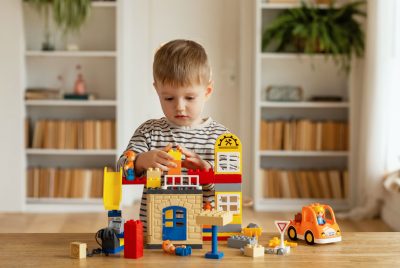
Large bricks, figures, familiar objects, and a storage box let toddlers copy a simple model or create their own scene. The mix suits construction and early storytelling. Some children may ask an adult to begin, so build one small invitation—perhaps a doorway or vehicle—then let them decide what follows.
MAGNA-TILES Classic 32-Piece Magnetic Construction Set
Best for: Preschoolers playing in small spaces
This 32-piece magnetic set supports flat patterns and three-dimensional structures without requiring a large playroom. Pieces connect quickly, which can reduce building frustration. It is listed for ages three and up; inspect tiles for damage and store them away from younger siblings who still mouth objects.
Melissa & Doug On the Go Water Wow! Animals
Best for: Travel and low-mess quiet time
This reusable book has four animal-themed water-reveal pages and a refillable chunky pen that stores in the cover. It fits cars, waiting rooms, restaurants, and homes where wet paint is impractical. The pictures are predetermined, so it offers less creative freedom than blank paper, but children can start with little setup.
Crayola Inspiration Art Case Coloring Set, Tie-Dye, 140 Pieces
Best for: Older children who prefer drawing
This portable case organizes crayons, washable markers, colored pencils, and paper for children aged five and up. The selection supports coloring, signs, comics, and invented games. However, the number of supplies may overwhelm some children; opening one section at a time can make choosing and cleanup easier.
Play-Doh Fun Factory Deluxe Set
Best for: Tactile, hands-on creators
Six cans of modeling compound and assorted cutters, rollers, and tools invite preschoolers to squeeze, stamp, shape, and invent. The tools provide an easy starting point without dictating the final creation. Close containers promptly, protect porous surfaces, and offer fewer accessories when too many options complicate choosing or cleanup.
Build a Simple Independent Play Routine
Consistency matters more than length. Choose a repeatable time when your child is fed and rested, then begin with a manageable period.
Use a familiar sequence: choose an activity, play while you complete a nearby task, then reconnect. A visual cue may ease abrupt changes. Repetition turns Independent Play into an ordinary rhythm rather than an unexpected withdrawal of attention.
Step Back Without Disappearing
Stay close enough for safety and reassurance, but resist directing. Instead of demonstrating the “right” use, make a neutral observation—“You balanced the long block”—then pause.
When asked for help, offer the smallest useful amount. Loosen a lid, steady a base, or ask, “What could you try?” As confidence grows, increase distance gradually: sit beside them, work across the room, then briefly move nearby when age and safety permit.
Respond to Interruptions and “I’m Bored”
Expect interruptions. Calmly acknowledge your child and show when you will reconnect: “I hear you. I’m finishing these dishes, then I’ll see your tower.” Avoid taking over immediately.
When a child says, “I’m bored,” offer two choices rather than a long entertainment menu: “You can draw or build.” Boredom may be the pause before an idea. If frustration keeps climbing, reconnect and try a shorter practice later.
Make It Work in Small Homes and Busy Days
Independent Play can happen beside family life. A child can sort blocks at the table, use a reusable book during travel, or build on a tray that slides under the sofa afterward.
Use visible boundaries: a building mat, art tray, or one basket for meal-preparation time. Siblings may need separate bins or alternating turns with popular materials. Even five calm minutes counts; realistic repetition beats chasing a perfect hour.
Common Mistakes That Slow Progress
Starting when a child is hungry, tired, or upset makes success less likely. Too many toys, constant questions, and praise after every action can also pull attention back toward the adult.
Do not stretch the session after one good day. Build gradually. Avoid presenting Independent Play as punishment or saying children “should” entertain themselves because you are busy. Frame it as their chance to choose, experiment, and follow their own ideas.
Frequently Asked Questions About Independent Play
At what age can Independent Play begin?
It can begin in simple, supervised forms during infancy, such as reaching for a toy or exploring a play mat while a caregiver stays nearby. Expectations should change with mobility, communication, safety awareness, and temperament. The goal is not early separation; it is allowing age-appropriate moments when the child directs what happens.
How long should my child play independently?
There is no research-backed universal number for every age. Start with a duration your child can manage—even two or three minutes—and extend it slowly. Focus on engagement and signals rather than comparing timers. A tired toddler may manage less today and more tomorrow without losing progress.
Should I use screens during independent playtime?
Screens can occupy a child, but they do not offer the same open-ended practice in choosing, planning, manipulating materials, and creating a story. Keep screen use as a separate family decision. For Independent Play practice, favor hands-on materials that let the child control the pace and outcome.
What if my child only plays alone when I stay nearby?
That still counts, especially for young children or beginners. Your calm presence can act as a secure base while your child directs play. Reduce involvement before increasing distance: stop commenting, work nearby, and only later step away briefly when the environment and your child’s age make that safe.
Can siblings do Independent Play together?
Sibling play is valuable, but it is social or cooperative rather than solo play. Children can benefit from both. Give each child a separate activity or defined space for part of the routine, then invite shared play afterward. This can reduce competition and help each child practice following their own ideas.
Final Recommendation: Grow Independent Play Gradually
Independent Play develops best when children feel connected, safe, and capable—not when adults demand instant self-sufficiency. Begin with a predictable moment, a manageable choice, and a short period of success. Match materials to your child: babies may enjoy the Fisher-Price piano gym with close supervision, travelers may benefit from Water Wow!, and builders may stay engaged with blocks, DUPLO, or MAGNA-TILES.
Most importantly, choose activities your child can use with minimal help, stay available without directing, and lower expectations during difficult weeks. A few peaceful minutes practiced regularly can grow into longer stretches of confident play. Start small, repeat the routine, and let your child’s attention—not someone else’s schedule—guide the next step.