
How to Sleep Train a Baby for Better Bedtime

We may earn a commission for purchases made using our links. Please see our disclosure to learn more.
If your evenings feel like a tiny hostage negotiation with a very cute dictator, you are not alone. So many parents reach the point where they start wondering how to sleep train a baby without feeling cruel, confused, or completely drained. The good news is that sleep training does not have to mean following one rigid method or ignoring your instincts.
This guide will walk you through what sleep training really is, when babies are usually ready, how to build a bedtime routine that actually helps, which methods are worth trying, and what to do when real life gets messy. You will also find a few helpful Amazon products, two research-backed sources, and practical FAQs you can use right away.
Affiliate note: This article includes product suggestions often sold on Amazon. If your site uses affiliate links, purchases may earn a commission at no extra cost to the reader.
What sleep training really means
Sleep training is not about forcing a baby to sleep like an adult. It is really about helping your baby learn the skill of falling asleep with less help from you over time.
That can look different from one family to another. Some parents prefer a gradual fading method. Others prefer timed check-ins. Some start with better routines and never need a formal method at all. The goal is not perfection. The goal is a calmer bedtime and fewer exhausting sleep associations.
When to start sleep training a baby
Timing matters more than most people realize. The American Academy of Pediatrics notes that babies do not have regular sleep cycles until about 4 months of age, which is why formal sleep training is usually discussed closer to 4 to 6 months rather than in the newborn stage.
Before that, you are not failing if your newborn needs rocking, feeding, or contact to settle. Newborn sleep is wonderfully chaotic. Think less “training camp,” more “weather forecast with no radar.”
Signs your baby may be ready
A baby may be ready for gentle sleep training when you notice a few patterns:
- They are around 4 to 6 months old
- They can handle a more predictable bedtime
- Night wakings seem more habit-based than hunger-based
- They can sometimes settle with less help
- You are seeing repeated bedtime battles, false starts, or long sleep-onset delays
Readiness also depends on temperament. Some babies ease into routines. Others protest like they are defending a union contract. Both are normal.
When to wait and talk to your pediatrician first
Sleep training is not the first move if your baby is sick, losing weight, refluxing badly, snoring heavily, or going through a major disruption like travel, teething pain, or a recent illness. It is also smart to pause if you are unsure whether night feeds are still developmentally needed.
If something feels off, trust your gut. Sleep issues are sometimes sleep issues, and sometimes they are hunger, discomfort, congestion, or a medical concern wearing a sleep-shaped costume.

Set up safe sleep before you change the routine
Before you work on bedtime habits, make sure the sleep space is safe. The AAP recommends putting babies on their backs on a firm, flat sleep surface and keeping pillows, blankets, bumpers, and loose items out of the sleep area. The AAP also says room-sharing can reduce SIDS risk and is safer than bed-sharing.
That matters because good sleep habits never outweigh safe sleep basics. A dark room is helpful. A firm, bare sleep space is essential.
Build a bedtime routine your baby can recognize
A strong bedtime routine is like a movie trailer for sleep. It tells your baby, “The big event is coming.”
Keep it simple and repeatable:
- diaper
- pajamas
- feeding
- short book
- song or cuddle
- crib
The AAP’s “brush, book, bed” approach is built on that same idea: predictable steps help kids connect the dots between routine and rest.
The magic is not in doing something fancy. It is in doing the same soothing things often enough that your baby starts to expect sleep after them.
Watch wake windows instead of just the clock
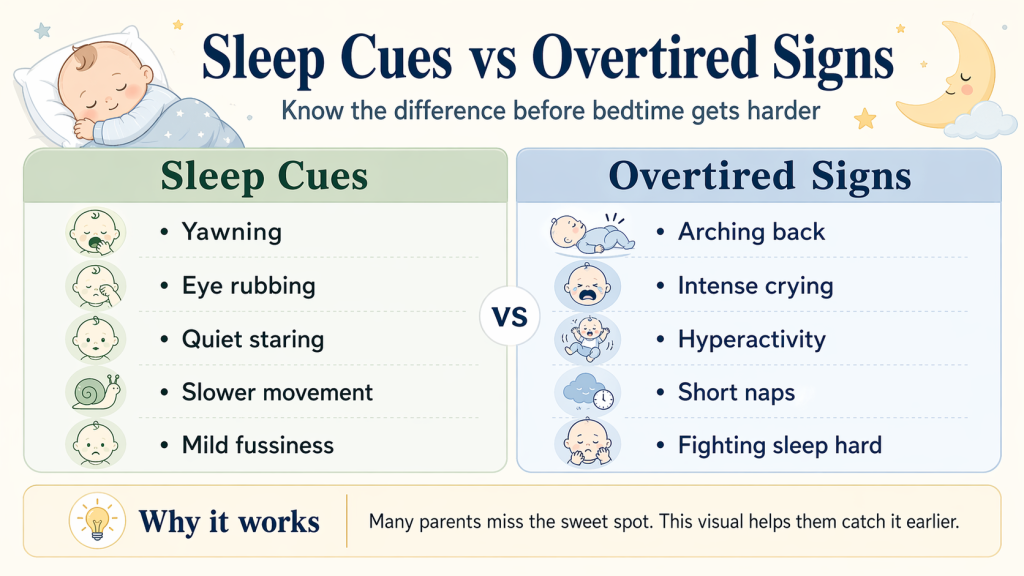
Sometimes parents think they need a stronger sleep training method, when the real problem is timing. An overtired baby can fight sleep like they just had an espresso. An undertired baby can treat bedtime like a prank.
That is why wake windows, sleep cues, and a loose baby sleep schedule matter. If your baby is rubbing eyes, zoning out, getting clingy, or fussing in that glassy little way, bedtime may need to happen sooner.
Put your baby down drowsy but still awake
This advice gets repeated a lot because it helps babies practice the last step of falling asleep in the place where they will wake later. HealthyChildren also recommends giving babies practice falling asleep on their own by keeping them awake while feeding and then placing them down drowsy but awake.
This does not mean your baby must be perfectly calm every time. It just means you are giving them a chance to connect the crib with sleep instead of only connecting your arms with sleep.
Choose a sleep training method that fits your family
There is no single gold-medal method. The best method is the one your household can actually do consistently.
Popular approaches include:
- Gentle fading: slowly reduce rocking, feeding, or holding over several nights
- Graduated checks: brief check-ins at set intervals
- Pick up, put down: comfort, then place baby back down before fully asleep
- Chair method: stay nearby, then gradually move farther away
If grandparents help at night, if one parent works late, or if you live in a multigenerational home, choose a method that matches your real life. Sleep plans that ignore family context usually fall apart by night three.
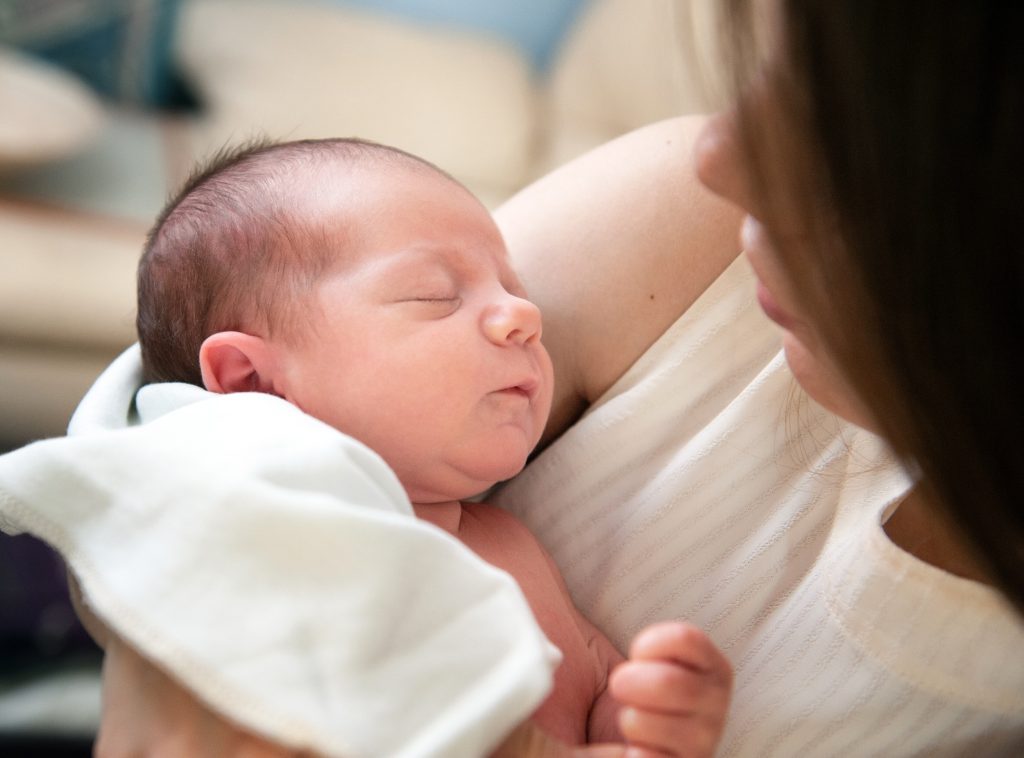
Gentle sleep training can work beautifully
If full crying feels like too much, gentle sleep training is a solid option. With bedtime fading, for example, you temporarily shift bedtime later so your baby is more likely to fall asleep quickly, then slowly move bedtime earlier again.
This can feel more emotionally manageable because you are working with your baby’s natural sleep pressure instead of trying to out-stubborn them.
Graduated check-ins are structured, not cold
Graduated extinction, often called timed check-ins, is one of the best-known methods. You put your baby down awake, leave, then return briefly after set intervals to reassure without restarting the whole routine.
For many families, the structure helps. It keeps you from rushing in every 20 seconds or, on the flip side, feeling like you must disappear completely.
The hard part is the first few nights. The helpful part is that everyone knows the plan.
Expect some protest at first
The first nights can feel loud, emotional, and full of second-guessing. It doesn’t necessarily mean the approach is wrong. Sometimes it simply means your baby is noticing that bedtime has changed.
Think of it like switching from rocking to a crib: your baby is not grading your parenting. They are reacting to a new pattern.
What matters most is staying calm, staying predictable, and not changing the rules every five minutes. Mixed messages can stretch the process out longer than the actual method itself.
Night feeds and sleep training are not the same thing
A lot of parents worry that sleep training means cutting every night feed. It does not. Feeding and sleep associations overlap, but they are not identical.
If your baby still needs a feeding, keep it. The goal is to separate hunger from habit where it makes sense, not to ignore a real need. The AAP also notes that starting solids before about 6 months does not help babies sleep through the night earlier.
That myth has exhausted a lot of parents for no reason.
Naps matter more than people think
Night sleep does not live in a separate universe. An overtired day often creates a rough night. That is why consistent naps, age-appropriate wake windows, and a calm daily rhythm support better bedtime results.
If you have older kids at home too, calmer daytime structure can help the whole house. Even a quiet afternoon activity like this plant cell project for curious kids can lower the overall chaos level before evening hits.
Common sleep training mistakes to avoid
Here are the mistakes that trip people up most:
- starting too early
- changing methods every night
- using a bedtime that is too late
- feeding fully to sleep every single time
- expecting progress with no setbacks
- forgetting that sleep regressions happen
Sleep regressions, teething, travel, and illness can all throw things off. That doesn’t mean all your progress is gone. It usually means you need a reset, not a funeral for your routine.
Five products that can support sleep training
These are not magic wands. Still, the right tools can make bedtime smoother and more consistent.
1. Hatch Rest Baby Sound Machine, Night Light | 2nd Gen
Short description: A nursery all-rounder that combines white noise, light cues, and customizable routines.
Features: soothing sounds, smart night light, time-for-bed and time-to-rise cues, app control, custom routines.
Best for: parents who want one device to support a bedtime routine as baby grows into toddlerhood.
2. Baby Shusher Portable Sound Machine
Short description: A simple sound soother built around rhythmic human “shhh” sounds.
Features: real human shushing, timer options, volume control, compact design, easy travel use.
Best for: newborns and younger babies who calm quickly with repetitive sound during bedtime or car naps.
3. HALO 100% Cotton SleepSack Swaddle, 3-Way Adjustable Wearable Blanket
Short description: A swaddle option designed to support safer sleep and an easier transition as your baby changes sleep style.
Features: 3-way adjustability, two-way zipper, roomy sack, cotton fabric.
Best for: younger babies who still sleep better swaddled and parents who want an easier move toward arms-out sleep later on.
4. Philips Avent Soothie Baby Pacifiers, 0–3 Months
Short description: A well-known pacifier designed for babies’ natural suckling reflex.
Features: one-piece silicone design, supports self-soothing, BPA-free, hospital-style pacifier format.
Best for: babies who find comfort through sucking and parents who want a straightforward self-soothing tool for bedtime.
5. Amazon Basics Portable Blackout Curtain Shade with Suction Cups
Short description: A practical fix for bright rooms and travel sleep.
Features: blackout material, noise reduction support, adjustable fit, suction-cup setup.
Best for: families working on naps, early bedtimes, or sleep training in rooms that never seem to get dark enough.
What research says about baby sleep training
A 2022 systematic review and meta-analysis on behavioral sleep interventions found that these interventions reduced child sleep problems and improved maternal sleep quality, although results can vary depending on age, timing, and the exact method used.
A 2016 randomized trial on graduated extinction and bedtime fading also found that both approaches improved infant sleep compared with a control group. That is useful because it suggests there is more than one evidence-backed path to better sleep.
The big takeaway is reassuring: consistency matters, routines matter, and you do not have to force one trendy method onto every baby.
How to stay emotionally okay while sleep training
This part deserves its own section, because parents often treat their feelings like background noise. They are not.
Sleep training can stir up guilt, doubt, grief, and plain old exhaustion. You may know the plan is reasonable and still hate hearing your baby protest. That does not make you weak. It makes you attached.
So give yourself rules too:
- keep the plan simple
- take turns if possible
- use a timer instead of guessing
- check in with your partner before bedtime
- stop and reassess if something feels genuinely wrong
A calm parent is not a perfect parent. A calm parent is just someone who has a plan and enough support to follow it.
FAQs about how to sleep train a baby
What are some ways to sleep train a baby without cry-it-out?
Yes, you can. Gentle sleep training methods like fading, pick up put down, and responsive check-ins are popular for parents who want a lower-cry approach. They often take longer, but they can still be effective when used consistently.
What is the best age to sleep train a baby?
Many parents start around 4 to 6 months because babies begin developing more regular sleep patterns around then. Earlier than that, most babies still need more flexible support.
How much time does sleep training usually take?
Some babies improve in a few nights. Others take a couple of weeks. The method, your baby’s temperament, consistency between caregivers, and whether night feeds are still needed all affect the timeline.
Can sleep training hurt attachment?
Current research on common behavioral sleep interventions has not shown a simple, blanket pattern of harm to attachment. Still, families should choose an approach that feels appropriate for their baby’s age, health, and temperament.
What if sleep training stops working during a regression?
That is common. Travel, teething, illness, and developmental shifts can temporarily disrupt progress. Go back to the basics: safe sleep, a calm bedtime routine, age-appropriate timing, and a method you can stick with for several nights.