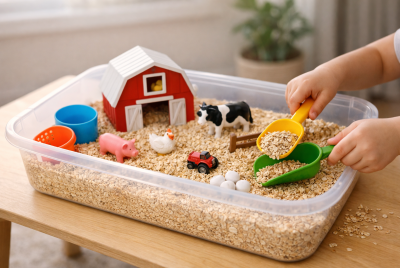
Sensory Play for Toddlers: Fun and Easy Ideas
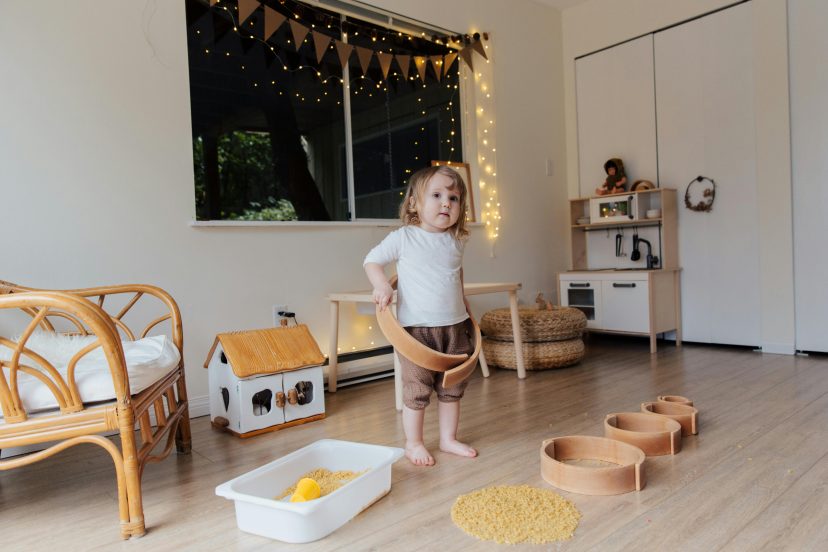
We may earn a commission for purchases made using our links. Please see our disclosure to learn more.
Some days, parenting a toddler feels like managing a tiny scientist with strong opinions and sticky hands. You want to help them learn, stay curious, and maybe burn a little energy without turning your house into a disaster zone. That is exactly where sensory play for toddlers can help.
At its best, sensory play is not fancy. It is water in a bowl, rice in a bin, a sponge to squeeze, a song to dance to, or a patch of grass to walk across barefoot. In this guide, you will find easy ideas, safety tips, research-backed benefits, and a few helpful products that can make hands-on play simpler for busy parents.
Affiliate note: This article includes product suggestions for convenience, but always choose what fits your child, budget, and space best.
What Is Sensory Play for Toddlers?
Sensory play is any activity that helps your child explore the world through their senses. That covers touch, vision, sound, smell, taste, balance, and awareness of body position.
For toddlers, this kind of play is a big deal because they learn with their whole body first. They do not just want to hear that something is wet. They want to splash it, pour it, pat it, and probably test whether it can live in your shoe.
That may sound chaotic, but it is also how learning sticks.
Why Sensory Play Matters in the Toddler Years
Toddlers are in a stage where curiosity is basically their full-time job. The American Academy of Pediatrics has explained that play supports social-emotional, cognitive, language, and self-regulation skills, while the CDC encourages shape sorting, simple puzzles, and exploration during the toddler years.
In plain English, sensory play helps your child do three important things at once:
- notice new information
- make meaning from it
- practice responding to it
That is a lot of learning packed into one bowl of soapy water.
How Sensory Play Supports Language, Focus, and Confidence
When your toddler says, “Cold!” while touching ice or “Squishy!” while pressing dough, they are building vocabulary in a real, memorable way. When they pour, scoop, stack, squeeze, and compare, they are also practicing focus and problem-solving.
The AAP’s play guidance notes that play helps children build language, planning, organization, social skills, and emotional regulation.
And maybe the most underrated benefit? Confidence.
A toddler who figures out how to move beans from one cup to another with a spoon feels wildly accomplished. Honestly, as they should.
Start Simple: You Do Not Need a Pinterest-Worthy Setup
This is where many parents get stuck. You see beautiful sensory trays online with coordinated colors, themed printables, and enough accessories to stock a preschool classroom.
You do not need all that.
A good sensory activity can be as simple as:
- dry oats in a baking dish
- water with cups and spoons
- a bowl of ice cubes and toy animals
- fabric scraps in different textures
- orange peels, cinnamon sticks, or herbs to smell
If your setup takes longer to build than your toddler spends enjoying it, it is probably too complicated.
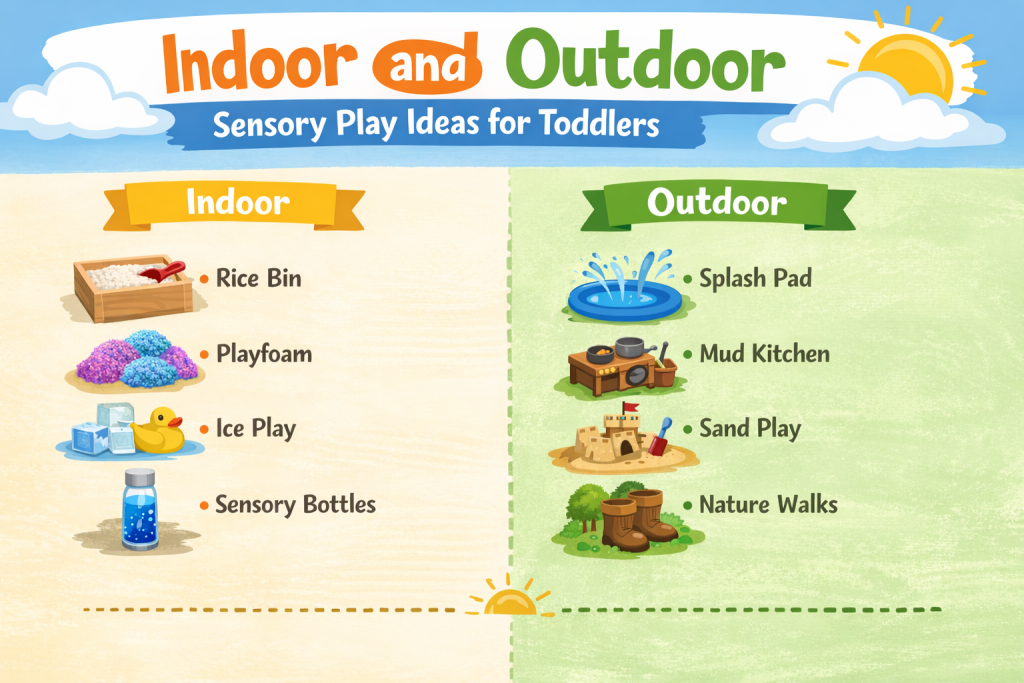
Sensory Bin Ideas for Curious Little Hands
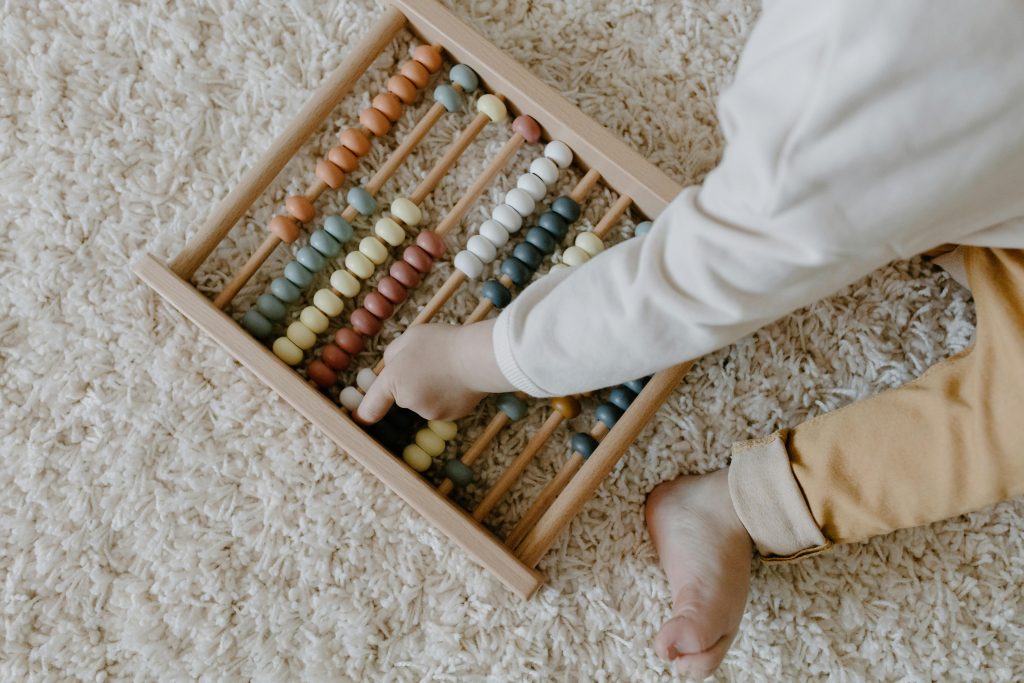
Sensory bins are popular for a reason. They are flexible, easy to change, and can grow with your child.
Try using:
- dry rice
- dry pasta
- pom-poms
- shredded paper
- kinetic sand or sensory foam
- large safe scoops and cups
You can keep it theme-free or build around what your child already loves. Dinosaurs, farm animals, construction trucks, kitchen tools, seashells, or colorful scarves all work well.
A simple rule helps here: fewer items, more imagination.
Water Play That Feels Like Magic
Water play is toddler gold. It is calming for some kids, energizing for others, and almost always more exciting than the toy you spent real money on.
Easy ideas include:
Pour and transfer play
Set out two bowls, a sponge, and a measuring cup. That is it. Your toddler will likely stay busy far longer than expected.
Wash-the-toys station
Give them a basin of warm water, a cloth, and plastic animals or cars.
Ice play
Freeze lemon slices, herbs, or small toys in ice and let your toddler explore how things melt.
Just remember that toddlers should never be left alone around water, even for a moment. The CDC specifically warns that drowning is a leading cause of injury and death in this age group.
Taste-Safe Sensory Play for Younger Toddlers
If your child still explores with their mouth, taste-safe options are your best friend.
Good choices include:
- plain yogurt with fruit puree swirls
- cooked pasta
- mashed potatoes
- chia pudding
- whipped cream on a tray
- oatmeal with cinnamon
This can be especially helpful for toddlers who are hesitant about textures. They get to explore without you panicking every three seconds.
It is messy, yes. But it is the kind of mess that makes sense.
Outdoor Sensory Play for Big Energy Days
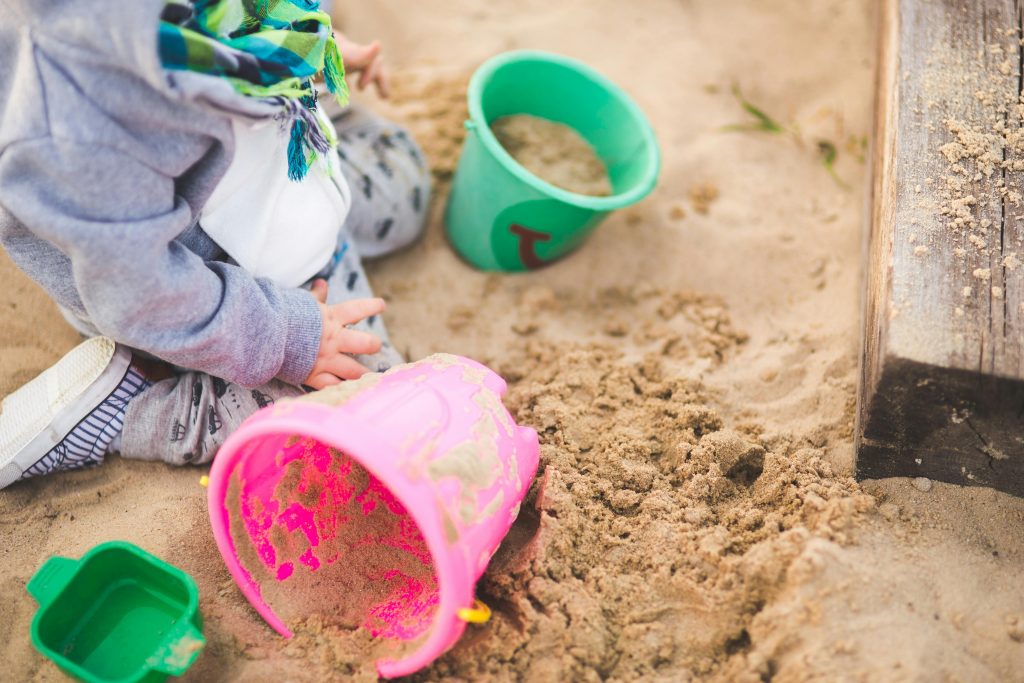
Sometimes the best sensory setup is simply opening the door.
Outside, toddlers can feel wind, hear birds, smell plants, splash in puddles, dig in dirt, and test how fast they can run before you finish your coffee. Nature does a lot of the setup work for you.
Try:
- mud kitchen play
- chalk on concrete
- leaf collecting
- water painting on fences or walls
- sandbox scooping
- barefoot grass walks
Outdoor sensory play is especially great when your child seems restless, loud, or one snack away from mutiny.
Calming Sensory Play for Fussy or Overstimulated Moments
Not all sensory play needs to be exciting. Some of it can help your toddler slow down.
Good calming options include:
- a sensory bottle with glitter and water
- soft fabric baskets
- gentle water play
- play foam or fluffy sensory fillers
- quiet music and dim lighting
- slow scooping, squeezing, or rolling activities
For some families, sensory play becomes part of a wind-down routine before quiet time. And if you are also exploring cozy comfort tools for calmer moments, this guide to weighted stuffed animals for comfort and regulation is a helpful next read.
Mess-Free Sensory Play for Busy Parents
Let’s be honest. Sometimes you want the benefits of sensory play without spending the rest of your afternoon vacuuming lentils out of chair legs.
Mess-free ideas include:
- sensory bags sealed with tape
- water painting with a brush and small cup
- reusable sticker play
- fabric texture boards
- magnetic tiles with soft light
- Playfoam or other easy-clean tactile materials
A good trick is to think in layers. Put the activity inside a shallow bin, on a towel, or on a wipe-clean mat. That one little step can save your sanity.
How to Make Sensory Play Safe and Age-Appropriate
Safety matters more than aesthetics every single time.
Keep these basics in mind:
- avoid choking hazards for younger toddlers
- supervise all water play
- skip anything sharp, brittle, or toxic
- watch for allergies if using food-based materials
- choose age-appropriate toys and tools
- stop if your child seems distressed, not just uninterested
Also, sensory play is not supposed to look the same for every child. One toddler may dive into finger paint like it is a life calling. Another may touch it with one finger, frown like a tiny food critic, and walk away. Both responses are normal.
5 Product That Make Sensory Play Easier
1) Fat Brain Toys InnyBin Shape Learning Toy
Short description: A tactile shape sorter with elastic bands that invites pushing, pulling, grabbing, and experimenting.
Features: 4.8 stars with 4,566 ratings on Amazon; BPA-free; sized for little hands; recommended for ages 10 months and up.
Use case: Great for younger toddlers who love texture, repetition, and fine motor play.
2) Educational Insights Pluffle 2-Pack
Short description: A fluffy sensory bin filler that gives you the fun of tactile play without the sticky slime drama.
Features: 4.5 stars with 1,539 reviews on Amazon; lightweight; non-toxic; gluten-free; easy to scoop and sift.
Use case: Best for toddlers who enjoy digging, pouring, and calming tactile play at a table or in a bin.
3) Educational Insights Playfoam Go!
Short description: A travel-friendly case with colorful Playfoam and built-in molds.
Features: 4.3 stars with 2,934 reviews on Amazon; portable case; eight colors; no-dry formula.
Use case: Perfect for restaurant waits, road trips, or parents who want sensory play that packs away fast.
4) Learning Resources Shape & Color Garden
Short description: A flower-building toy that mixes fine motor practice with bright sensory-friendly visual play.
Features: 4.8 stars with 3,609 reviews on Amazon; 20-piece set; designed to build shape recognition and fine motor skills.
Use case: A nice fit for toddlers who like building, sorting, and repeated hand movements without a messy setup.
5) Jasonwell Splash Pad Sprinkler
Short description: An outdoor water play mat that turns your backyard into a toddler-approved mini splash zone.
Features: 4.4 stars with 20,692 ratings on Amazon; Amazon’s Choice; sized for toddler water play; strong recent positive feedback on the listing.
Use case: Best for warm-weather sensory play, especially for kids who crave movement, splashing, and full-body fun.
What Research Says About Hands-On Play
The research here is encouraging.
A widely cited AAP clinical report on the power of play explains that developmentally appropriate play helps build language, self-regulation, executive function, and strong caregiver-child relationships. In other words, playful sensory experiences are not “extra.” They are part of healthy development.
A 2024 review and pilot study on multi-sensory toys in child education found that multi-sensory toys can improve engagement and learning outcomes compared with more traditional toys, while also noting that children respond differently depending on their preferences and learning styles. That is an important reminder: the best sensory play is not the trendiest one. It is the one your child actually connects with.
Common Sensory Play Mistakes to Avoid
You do not need to be perfect here, but a few mistakes can make sensory play harder than it needs to be.
Doing too much too fast
A giant setup can overwhelm both you and your toddler.
Expecting long attention spans
Some children will stay for 20 minutes. Some will stay for 2. That still counts.
Forcing textures
Encouragement is good. Pressure usually backfires.
Ignoring your child’s cues
If a sound, smell, or texture clearly bothers them, adjust the activity instead of pushing through.
Making it performative
Sensory play is about exploration, not perfect photos.
FAQs
Is sensory play good for toddlers?
Yes. Sensory play helps toddlers explore textures, sounds, movement, and cause-and-effect in a way that supports language, fine motor practice, confidence, and early problem-solving.
What are easy sensory play ideas for toddlers at home?
Start with water play, dry rice in a bin, cooked pasta, ice cubes, fabric scraps, or scooping activities with cups and spoons. Simple usually works best.
How often should I do sensory play for toddlers?
You do not have to follow a rigid schedule. Even 10 to 15 minutes a few times a week can be useful. Small, regular moments often work better than elaborate setups once a month.
What if my toddler hates messy sensory play?
That is okay. Try less intense options like sensory bags, soft scarves, water painting, Playfoam, or outdoor nature walks. Sensory play does not have to mean messy.
What materials should I avoid in sensory play for toddlers?
Avoid choking hazards, toxic materials, sharp objects, and anything that could trigger an allergy. Always supervise water play and use age-appropriate items.
Sensory play does not need to be complicated to be meaningful. A bowl, a scoop, a little water, and your child’s curiosity can go a long way. The real goal is not to create the most impressive activity. It is to give your toddler safe, joyful chances to explore, learn, and feel capable in their own little world.
So start small. Try one idea this week. Watch what your child gravitates toward. Then follow that spark. That is usually where the best kind of parenting magic begins.